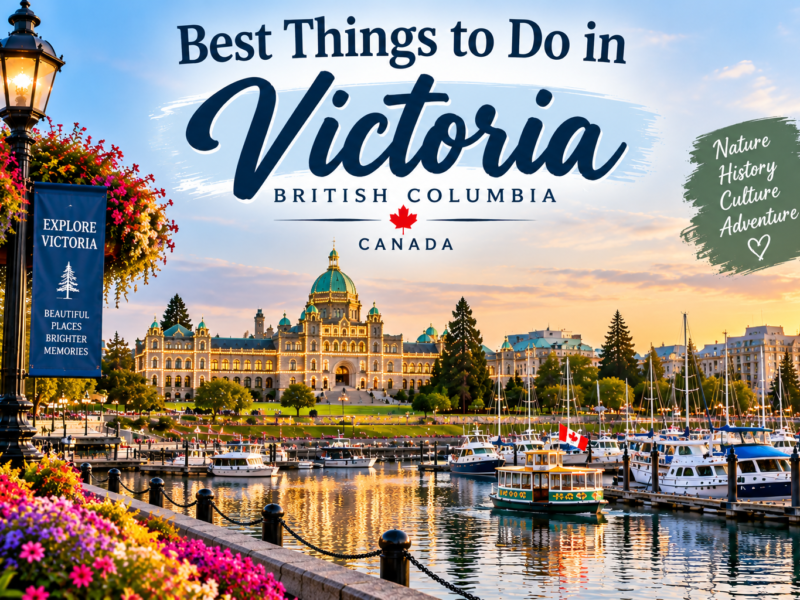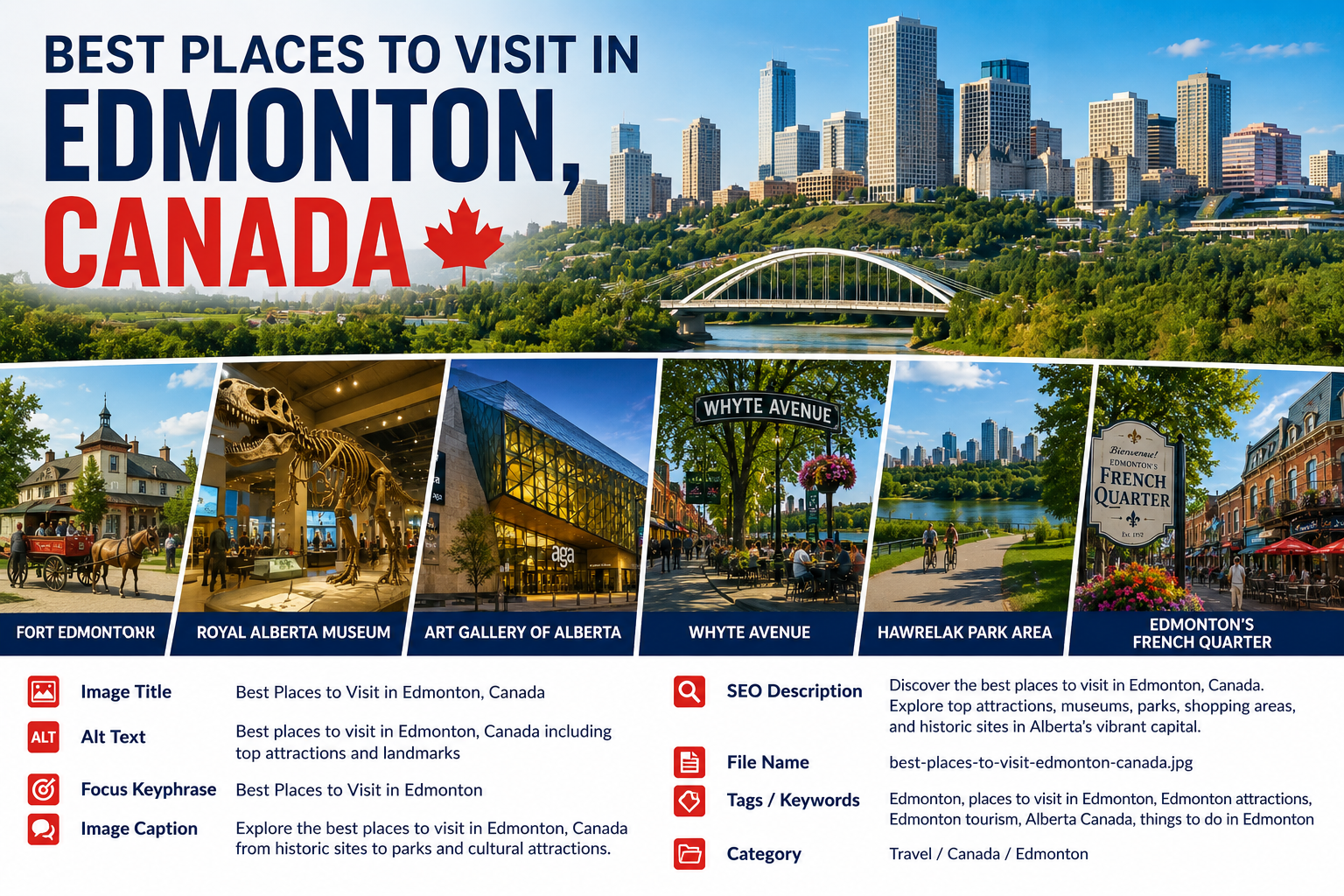
Edmonton is the capital city of Alberta and one of Canada’s interesting destinations for travelers who enjoy nature, history, culture, shopping, and family-friendly attractions. The city is known for its large river valley, green spaces, museums, historic sites, and modern attractions.
One of the things that makes Edmonton different is the combination of urban life and nature. The North Saskatchewan River Valley runs through the city and provides a large network of parks and trails, while downtown offers museums, galleries, restaurants, and cultural attractions.
1. Edmonton River Valley
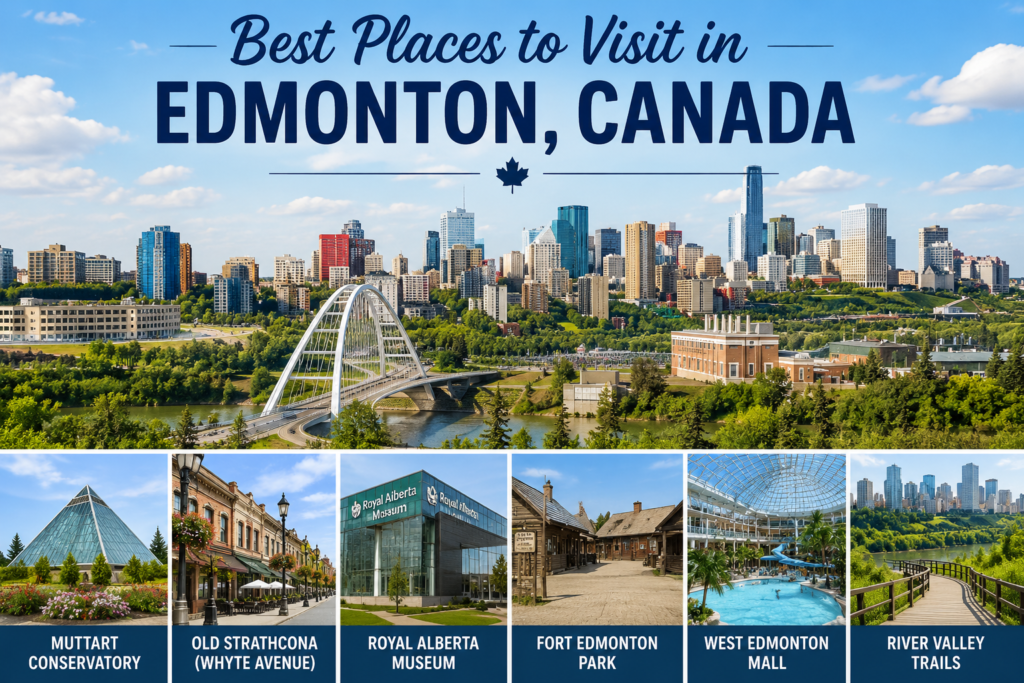
The Edmonton River Valley is one of the city’s most beautiful natural areas. The valley follows the North Saskatchewan River and includes parks, trails, wooded areas, and open spaces.
It is a great place to see a different side of Edmonton away from busy downtown streets. Visitors can enjoy peaceful scenery, walk through natural areas, and find viewpoints overlooking the river. The River Valley is also known for its wildlife and photography opportunities, making it an important part of Edmonton’s outdoor landscape.
2. West Edmonton Mall
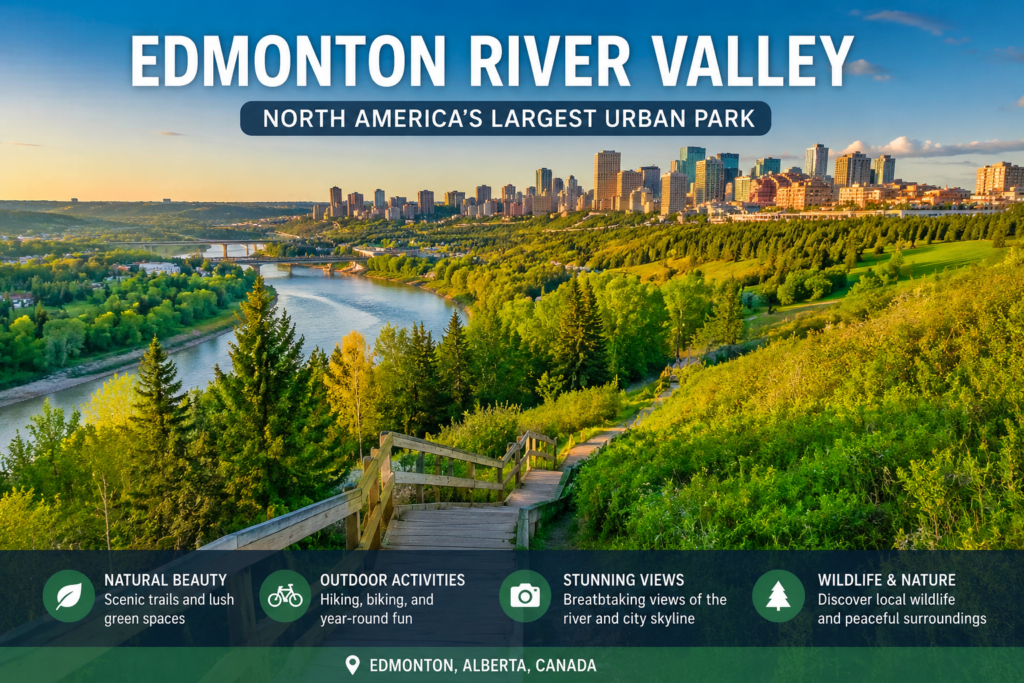
West Edmonton Mall is one of the most recognizable attractions in Edmonton. It is much more than a traditional shopping center, with a huge range of entertainment, restaurants, shops, and indoor attractions.
The mall is a useful destination when the weather is cold or rainy because visitors can spend many hours indoors. For travelers visiting Edmonton for the first time, West Edmonton Mall offers an easy way to experience one of the city’s most famous attractions.
3. Fort Edmonton Park
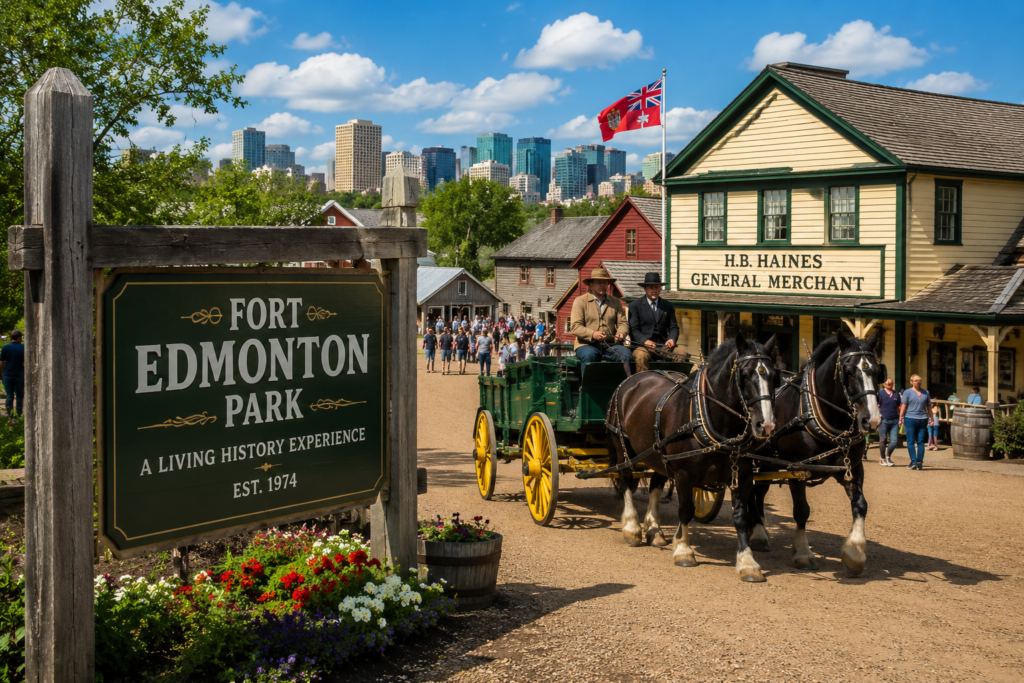
Fort Edmonton Park is a large living-history attraction located in Edmonton’s River Valley. The park brings different periods of Edmonton’s history to life through historic settings, buildings, stories, and interactive experiences.
Visitors can explore the park and learn about the development of Edmonton and the experiences of different communities. The park also includes the Indigenous Peoples Experience, which shares First Nations and Métis stories and cultures.
4. Royal Alberta Museum
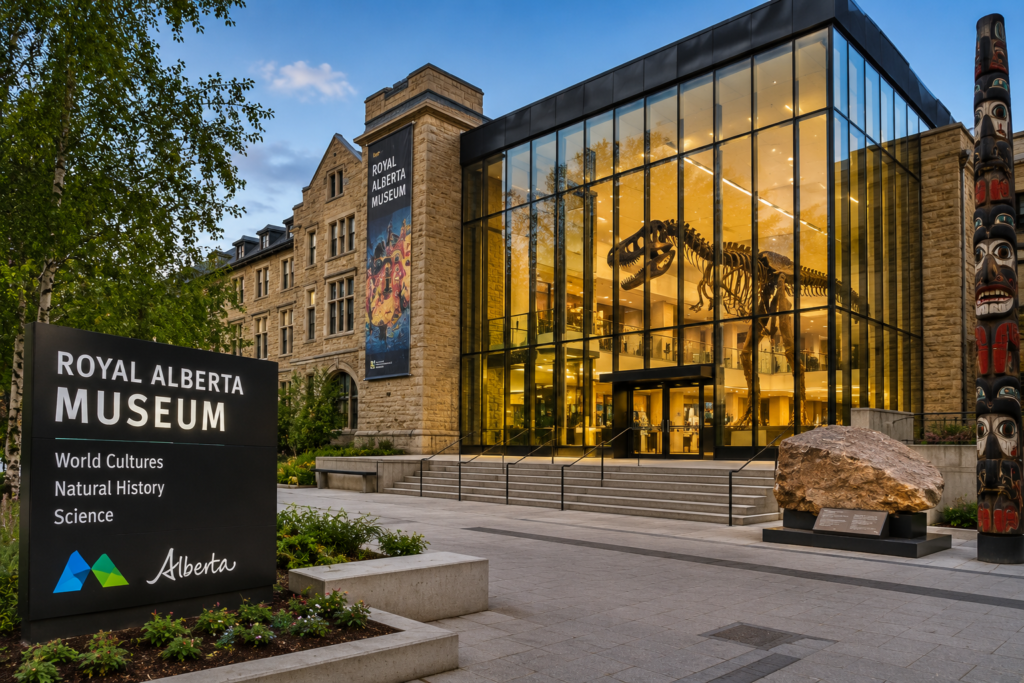
The Royal Alberta Museum is an excellent place to discover the history, culture, and natural heritage of Alberta. Its collections cover subjects ranging from natural history and wildlife to human history and cultural experiences.
The museum is especially useful for visitors who want to learn more about Alberta beyond its modern cities and landscapes. You can spend several hours exploring the exhibitions, making it a good indoor attraction for your Edmonton itinerary.
5. Muttart Conservatory
The Muttart Conservatory is one of Edmonton’s most recognizable architectural landmarks. Its famous glass pyramids contain different plant environments, creating a colorful indoor garden experience throughout the year.
The conservatory features arid, temperate, tropical, and seasonal displays, allowing visitors to see plants from different environments in one location. Its position beside the River Valley also makes it an attractive place to visit for both architecture and nature.
6. Alberta Legislature Building
The Alberta Legislature Building is an important landmark in Edmonton and a notable example of early twentieth-century architecture. The building stands in landscaped grounds near the North Saskatchewan River.
The surrounding area provides an opportunity to see historic architecture while enjoying outdoor spaces in the heart of the city. It is a good place to include in an Edmonton sightseeing route, particularly for visitors interested in Alberta’s political and architectural history.
7. Art Gallery of Alberta
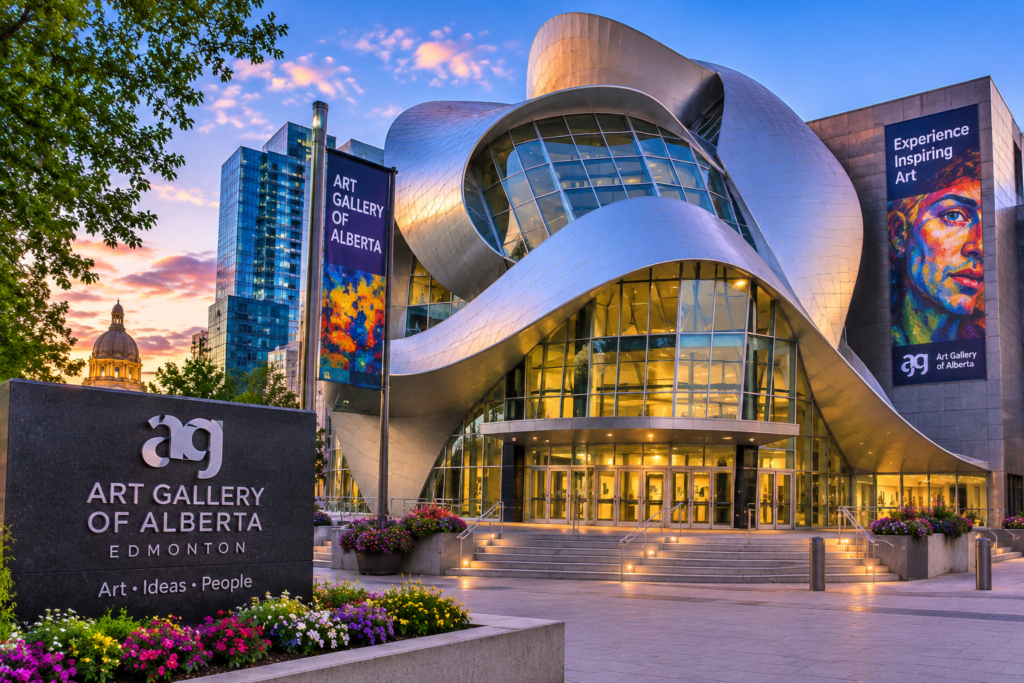
The Art Gallery of Alberta is an important cultural attraction in downtown Edmonton. Its collection and exhibitions introduce visitors to Canadian and international art through different periods and styles.
The building itself is also worth seeing because of its distinctive modern design. A visit can add an artistic and cultural experience to an Edmonton trip, especially if you want to spend some time indoors.
8. Edmonton Valley Zoo
Edmonton Valley Zoo is a family-friendly attraction located within the city’s River Valley. The zoo provides opportunities to see animals from different parts of the world while learning about wildlife and conservation.
Its location within a natural setting gives the attraction a different atmosphere from a typical urban zoo. Visitors can combine a zoo visit with time in the surrounding River Valley area. The City of Edmonton currently lists the zoo as one of its major city attractions.
9. Old Strathcona
Old Strathcona is one of Edmonton’s best-known historic areas and has a strong connection with the city’s cultural life. The neighborhood is known for historic buildings, independent businesses, restaurants, cafés, and local entertainment.
Its character makes it different from the modern downtown area. Visitors can explore the streets, admire older architecture, and discover local businesses while experiencing a lively part of Edmonton.
10. Whyte Avenue
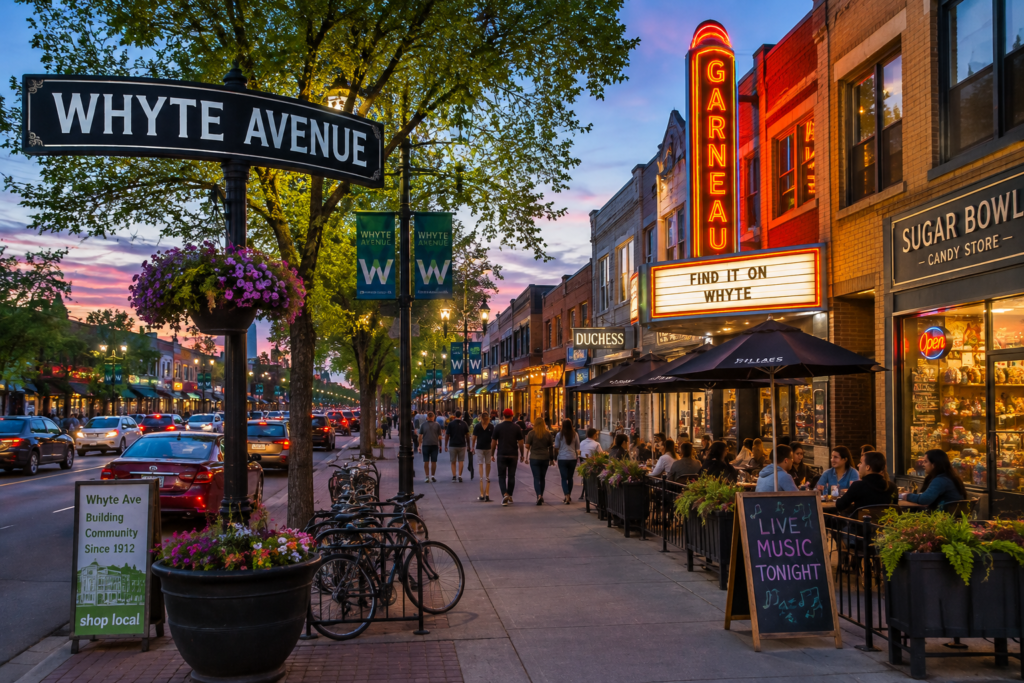
Whyte Avenue is located in the Old Strathcona area and is one of the city’s recognizable streets. It is surrounded by restaurants, cafés, shops, galleries, and historic buildings.
The area has a youthful and creative atmosphere and gives visitors a chance to experience Edmonton beyond its major tourist attractions. Walking through the surrounding streets can also introduce you to local businesses and the neighborhood’s distinctive character.
11. TELUS World of Science – Edmonton
TELUS World of Science – Edmonton is a science and educational attraction offering visitors a chance to explore different scientific subjects through exhibitions and interactive experiences.
The center includes themed galleries and science-focused displays that can make learning more engaging. It is also an indoor attraction, so it can be a useful option when Edmonton’s weather makes outdoor sightseeing less comfortable.
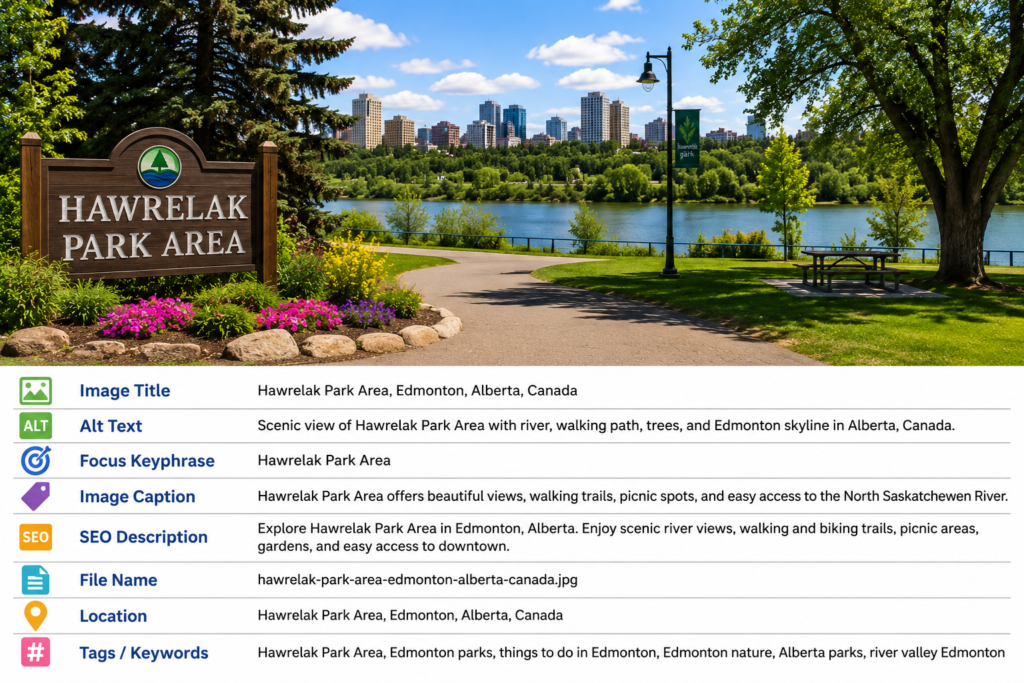
12. Hawrelak Park Area
Hawrelak Park is part of Edmonton’s extensive park system and sits within the River Valley. The area provides open green spaces and a natural setting close to the city.
It can be a pleasant place for visitors who want to slow down and enjoy Edmonton’s outdoor environment. Depending on the season and current access, visitors should check local information before planning a visit.
13. Downtown Edmonton
Downtown Edmonton is the center of the city’s modern urban life. The area includes restaurants, cafés, galleries, public spaces, cultural venues, shops, and access to several major attractions.
Downtown is also close to the River Valley, giving visitors the unusual opportunity to move between an urban environment and natural scenery within a relatively short distance. The city highlights parks, festivals, music, galleries, theatre, markets, and restaurants as part of the downtown experience.
14. Sir Winston Churchill Square
Sir Winston Churchill Square is a major public space in the heart of downtown Edmonton. It is surrounded by cultural buildings and is used for festivals, public events, and community activities.
The square provides a good starting point for exploring central Edmonton because several attractions are located nearby. Depending on when you visit, you may also find special events taking place in the area.
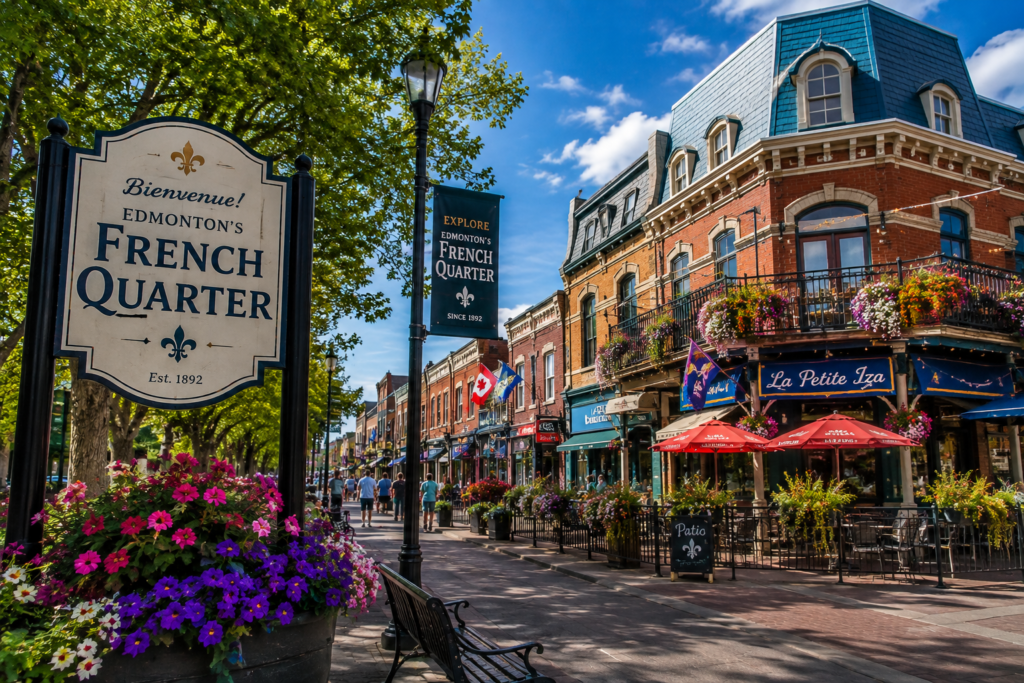
15. Edmonton’s French Quarter
Edmonton’s French Quarter offers a chance to discover the city’s Francophone character. The area includes cafés, restaurants, pastry shops, and cultural connections that reflect the French-speaking community.
It provides a different experience from Edmonton’s larger tourist attractions and can be an interesting stop for visitors who want to explore the city’s cultural diversity.
Best Time to Visit Edmonton
Edmonton can be visited throughout the year, but the experience changes considerably between seasons. Summer is a popular time for exploring parks, the River Valley, outdoor attractions, and city festivals. The longer days also give visitors more time for sightseeing.
Fall brings cooler temperatures and colorful scenery, while winter creates a snowy atmosphere and offers a different side of the city. Spring can be a pleasant time as temperatures begin to rise and outdoor areas become greener. Before your trip, check the weather forecast and current attraction schedules.
Simple Tips for Visiting Edmonton
Plan your sightseeing according to location because Edmonton is a spread-out city. Grouping nearby attractions together can save travel time and make your days more comfortable.
Wear comfortable shoes when exploring parks, historic areas, and outdoor attractions. If you are visiting during winter, dress warmly and check local weather conditions before spending long periods outside.
For museums and other attractions, check current opening hours and ticket information before visiting. Some attractions may have seasonal schedules or special events, so planning ahead can make your trip easier.