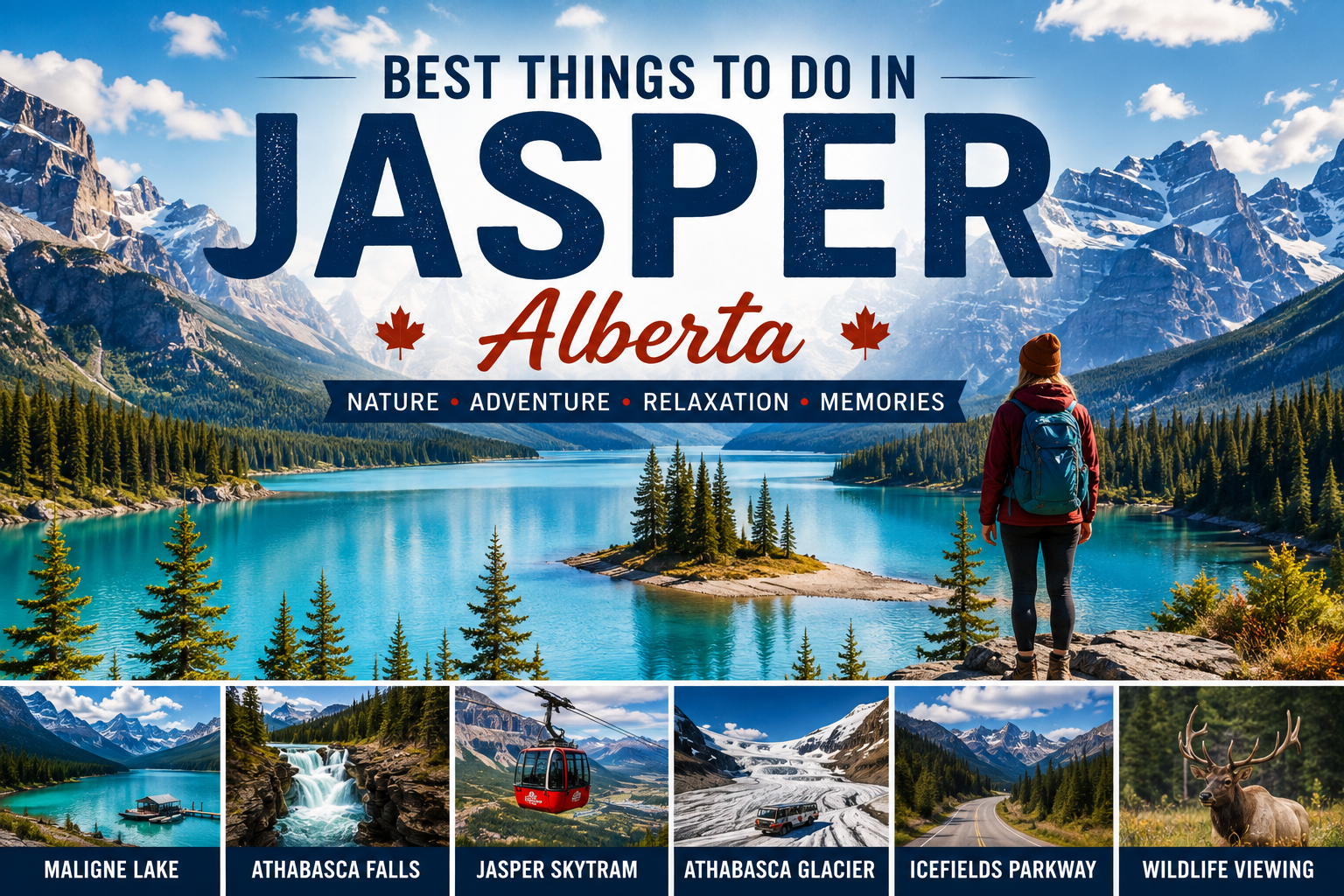
Jasper, Alberta, is one of the most beautiful mountain destinations in Canada. Located in the heart of Jasper National Park, the town is surrounded by towering Rocky Mountains, clear lakes, forests, waterfalls, glaciers, and wide-open natural landscapes. It is a wonderful destination for travelers who enjoy nature, sightseeing, photography, hiking, wildlife, peaceful lakes, and scenic drives. Jasper also has a charming small-town atmosphere, making it easy to combine outdoor adventures with restaurants, cafés, shops, and cultural experiences. Whether you are planning a summer road trip, an autumn getaway, or a winter vacation, there are many exciting things to see and do in Jasper.
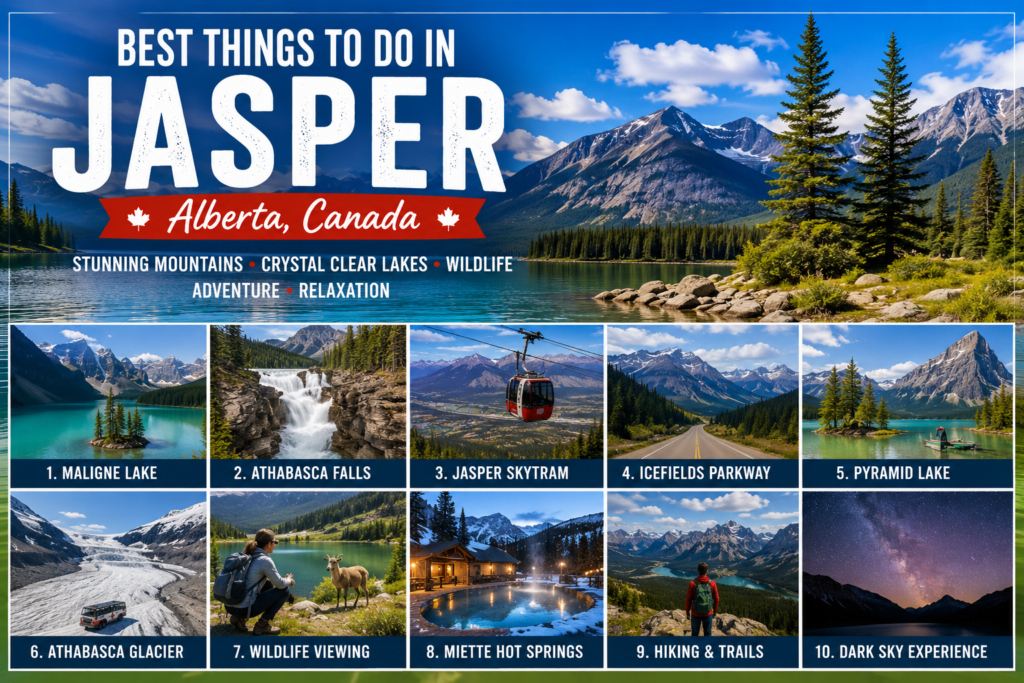
1. Explore Jasper Townsite
Start your trip by exploring the charming town of Jasper. The town is surrounded by spectacular mountain scenery and is a convenient base for exploring Jasper National Park. You can spend time walking through the downtown area, visiting local shops, enjoying cafés and restaurants, or simply taking in the views of the surrounding mountains. Jasper has a relaxed atmosphere that makes it easy to slow down and enjoy your vacation. The town is also a useful starting point for many nearby attractions, trails, lakes, and scenic roads, so spending some time here can help you become familiar with the area before heading farther into the national park.
2. Visit Beautiful Maligne Lake
Maligne Lake is one of the most famous places to visit near Jasper and is a highlight of many Canadian Rockies trips. The lake is surrounded by impressive mountains and offers beautiful opportunities for sightseeing, photography, walking, and outdoor activities. You can explore parts of the lakeshore or enjoy a boat experience when seasonal services are operating. Spirit Island is another well-known landmark associated with Maligne Lake and is often included in sightseeing experiences. The drive to the lake is also part of the adventure because Maligne Road passes through a beautiful mountain landscape and provides opportunities to see Medicine Lake along the way.
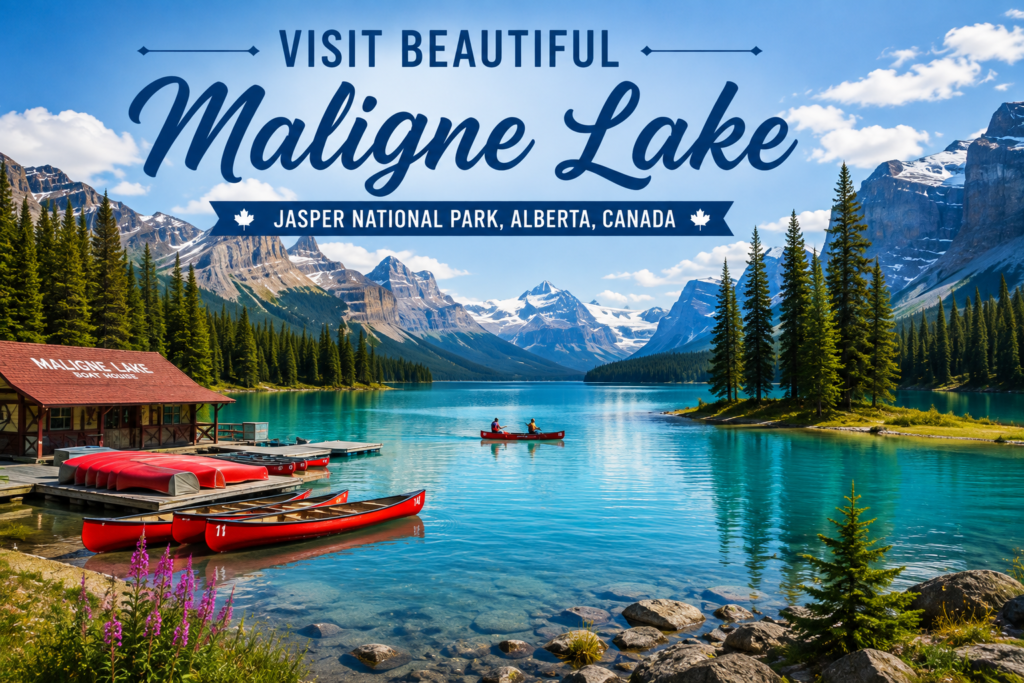
3. Discover Medicine Lake
Medicine Lake is another beautiful stop along the route toward Maligne Lake. Surrounded by mountains and forests, the lake provides a peaceful place to stop, enjoy the scenery, and take photographs. The landscape changes with the seasons, creating different views throughout the year. Travelers driving through the Maligne Valley can include Medicine Lake as part of a full-day sightseeing trip. Parks Canada recommends planning enough time for the Maligne Valley because the road and the distance between attractions make this area better suited to a relaxed day rather than a quick visit.
4. See the Power of Athabasca Falls
Athabasca Falls is one of the most impressive waterfalls in Jasper National Park and an excellent stop for visitors who want to experience the power of the Canadian Rockies. The rushing water moves through a narrow canyon surrounded by rocky landscapes and forest. Short walking routes around the falls allow visitors to view the water from different points and enjoy the scenery without needing a long hike. Athabasca Falls is located along the Icefields Parkway route, making it convenient to combine with other attractions in the southern part of Jasper National Park.
5. Visit Sunwapta Falls
Sunwapta Falls is another spectacular waterfall that should be included in a Jasper itinerary. The falls are surrounded by forest and mountain scenery, creating a beautiful natural setting for sightseeing and photography. Visitors can enjoy the main viewpoint and, depending on conditions and trail access, explore farther along the river toward the lower falls. Sunwapta Falls is located along the Icefields Parkway, so it can easily become part of a scenic driving day through Jasper National Park. The area offers a great combination of rushing water, rocky landscapes, evergreen forests, and mountain views.
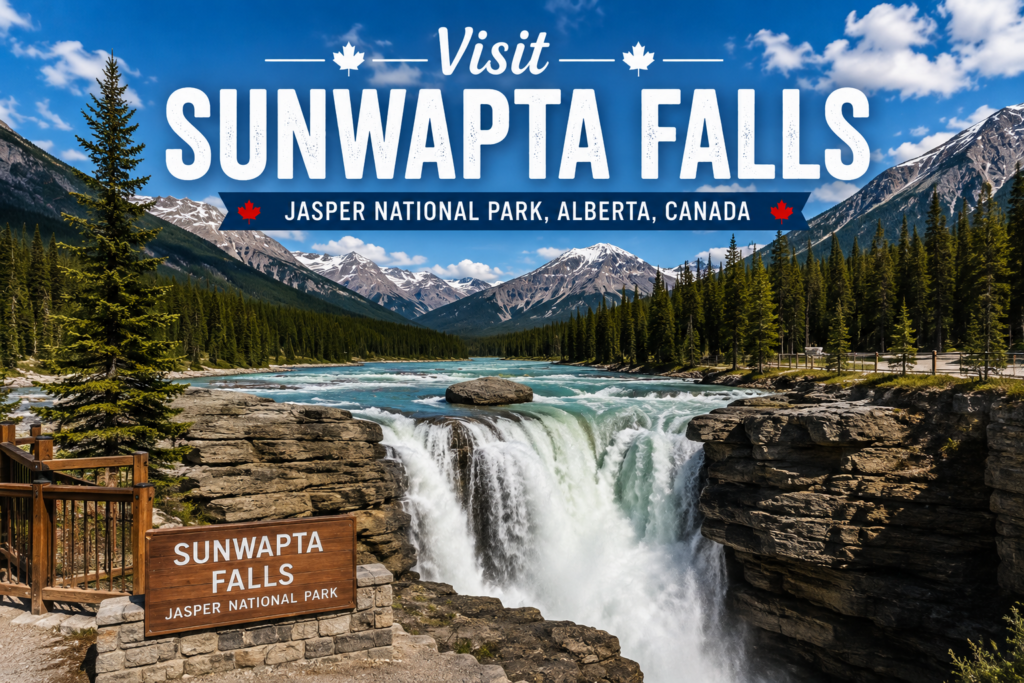
6. Ride the Jasper SkyTram
For one of the best panoramic experiences in Jasper, consider riding the Jasper SkyTram up Whistlers Mountain. The aerial tramway gives visitors the opportunity to reach a high alpine viewpoint without completing a full-day mountain climb. From the upper area, you can enjoy views over Jasper townsite, the Athabasca River, and surrounding mountain ranges. There are also walking areas near the Upper Station and a trail toward the summit for visitors who want to explore farther. Seasonal opening dates and conditions can change, so checking the latest information before your visit is important.
7. Enjoy the Scenery at Pyramid Lake
Pyramid Lake is a peaceful and scenic destination close to Jasper townsite. The lake is surrounded by forests and mountains, making it a wonderful location for photography, walking, relaxing, and enjoying the outdoors. Pyramid Island, connected by a small bridge, is one of the recognizable spots in the area and offers beautiful views across the water toward the mountains. The lake is also a popular place for seasonal activities, including canoeing and other water experiences when conditions allow. Because it is relatively close to town, Pyramid Lake is an easy attraction to add to a Jasper itinerary.
8. Explore the Icefields Parkway
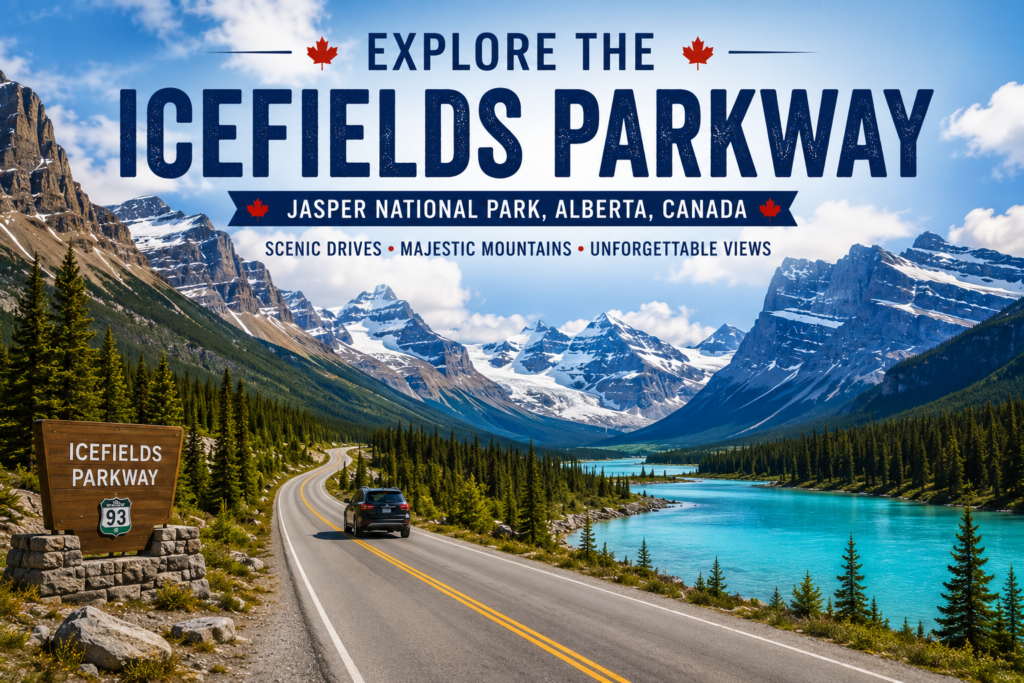
Driving the Icefields Parkway is one of the best things to do in Jasper, especially for travelers who enjoy scenic road trips. The famous route connects Jasper and Banff National Parks and passes through some of the most dramatic landscapes in the Canadian Rockies. Along the way, you can find glaciers, waterfalls, mountains, lakes, viewpoints, picnic areas, and hiking opportunities. Important stops in the Jasper region include Athabasca Falls, Sunwapta Falls, and the Columbia Icefield area. Parks Canada recommends allowing enough time to experience the parkway because the full route is approximately 232 kilometres and there are many places worth stopping along the way.
9. See the Athabasca Glacier
The Athabasca Glacier is one of the most recognizable glacier attractions in the Canadian Rockies. It is part of the Columbia Icefield and can be viewed from the Icefields Parkway area. The glacier provides an opportunity to see how powerful natural forces have shaped the Rocky Mountain landscape over thousands of years. Visitors should follow all current safety instructions and stay within designated areas because glacier environments can be dangerous. The surrounding Columbia Icefield landscape is also impressive, with enormous mountains, ice, rock, and changing weather creating unforgettable scenery.
10. Spend Time at Miette Hot Springs
Miette Hot Springs offers a relaxing experience surrounded by mountain scenery. The area is located in the eastern part of Jasper National Park and is also connected with hiking opportunities, including the Sulphur Skyline trail. After exploring the mountains, a visit to the hot springs can provide a peaceful change of pace. The road to Miette Hot Springs is seasonal, so travelers should check current road and access conditions before making plans. Combining the hot springs with nearby scenery and hiking can make a memorable day outside Jasper townsite.
11. Go Wildlife Viewing in Jasper
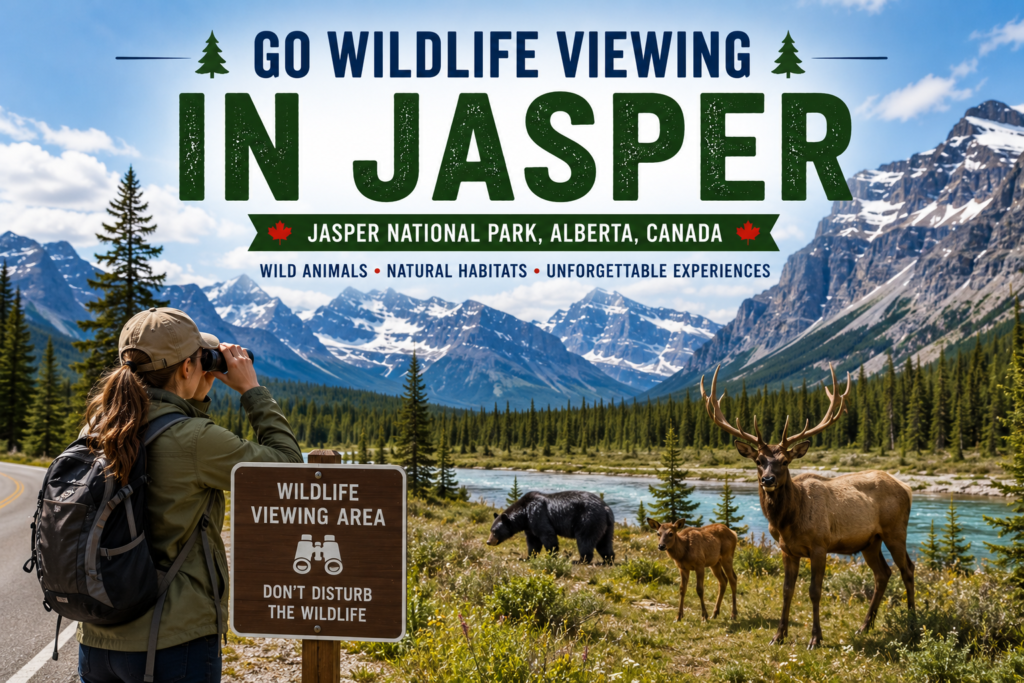
Wildlife viewing is another popular reason people visit Jasper National Park. The park provides habitat for many species, and travelers may see animals while driving, hiking, or exploring different areas of the park. Tourism Jasper offers wildlife-focused experiences that help visitors learn about the animals and their natural environment. However, wildlife should always be viewed from a safe distance and never approached or fed. Early morning and evening can be productive times for wildlife observation, but sightings are never guaranteed.
12. Explore Maligne Canyon
Maligne Canyon is a fascinating natural attraction where water has carved deep passages through the limestone landscape. The canyon offers impressive scenery and walking opportunities, making it a popular part of the Maligne Valley experience. Conditions and access can vary by season, and some activities that operate in warmer or colder months may not always be available. Visitors should check current Parks Canada and local tourism information before planning a canyon visit. Even when you simply explore the accessible areas, the surrounding forest, rocks, and rushing water create a memorable Jasper experience.
13. Hike in Jasper National Park
Jasper is an excellent destination for hiking because the national park contains trails ranging from easier walks to challenging mountain routes. Visitors can find short trails around lakes, waterfalls, and viewpoints, while experienced hikers can choose longer routes through alpine landscapes. Popular hiking areas include Maligne Valley, Edith Cavell, the Sulphur Skyline, and trails around the townsite. Before starting a hike, check current trail conditions, weather, warnings, and seasonal closures because mountain conditions can change quickly. Choosing a trail that matches your experience and preparing properly will help you enjoy Jasper’s natural beauty safely.
14. Enjoy Jasper’s Dark Sky
Jasper is an excellent place for travelers who enjoy looking at the night sky. Away from large urban areas, the national park provides opportunities to experience dark skies and observe stars in a peaceful mountain environment. Tourism Jasper also offers astronomy-focused experiences, including planetarium programs and telescope activities. On a clear night, simply finding a suitable location away from bright lights can provide a beautiful view of the sky. Weather and cloud conditions naturally affect what you can see, so flexible planning is helpful if stargazing is an important part of your trip.
15. Enjoy Jasper in Winter
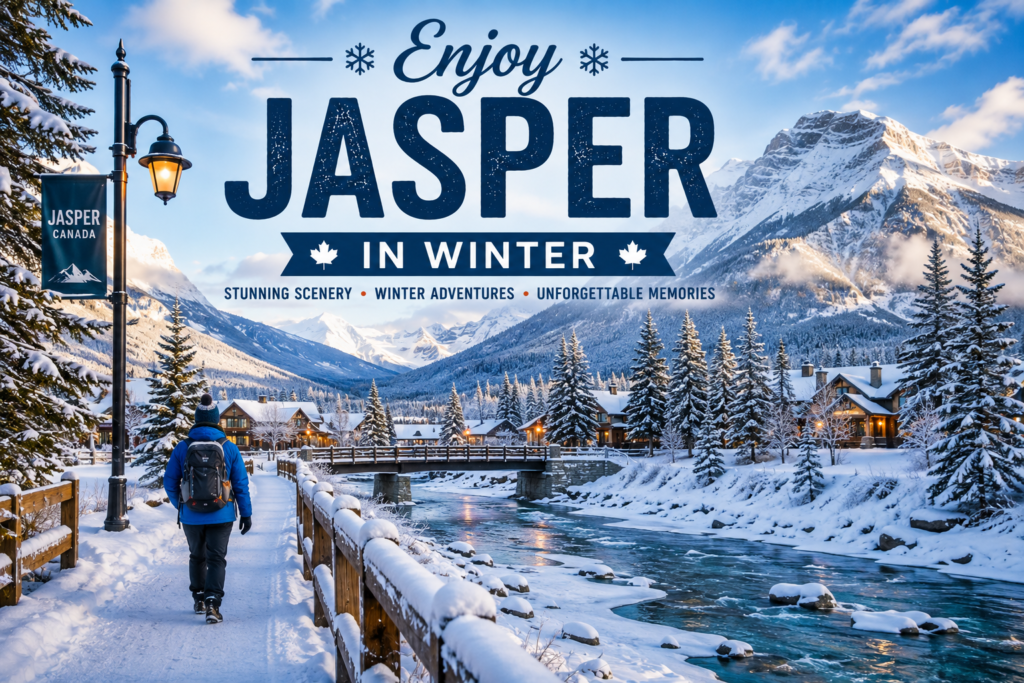
Jasper is not only a summer destination. Winter transforms the national park into a snowy landscape with frozen lakes, snow-covered forests, and mountain scenery. Visitors can enjoy activities such as snowshoeing, cross-country skiing, winter walks, and other seasonal experiences when conditions are suitable. Popular landmarks including Maligne Lake, Pyramid Island, Athabasca Falls, and Sunwapta Falls can also look completely different during winter. Some roads, trails, and attractions have seasonal restrictions, so checking current conditions before traveling is especially important during the colder months.
Best Time to Visit Jasper, Alberta
The best time to visit Jasper depends on the type of experience you want. Summer is popular for hiking, sightseeing, lake activities, wildlife viewing, and scenic road trips, while autumn can bring beautiful colors and a quieter atmosphere. Winter offers snow-covered landscapes and seasonal outdoor activities, while spring can provide a mixture of changing weather and early-season experiences. Some mountain roads, trails, and attractions operate seasonally, so travelers should check current conditions before planning a detailed itinerary. Jasper is a year-round destination, but each season offers a different way to experience the Rocky Mountains.
How Many Days Do You Need in Jasper?
For a first trip, three to four days can give you a good introduction to Jasper and several of its major attractions. One day can focus on the townsite, Pyramid Lake, and nearby viewpoints, while another can be dedicated to the Maligne Valley and its lakes and scenic stops. A third day can be used for the Jasper SkyTram, waterfalls, or another outdoor activity. If you have an additional day, consider driving part of the Icefields Parkway and visiting attractions around the Columbia Icefield. Travelers with more time can slow down and explore additional trails, lakes, wildlife areas, and seasonal activities.
Simple Travel Tips for Jasper
Plan your Jasper trip with flexibility because mountain weather and road conditions can change quickly. Check Parks Canada information for current warnings, closures, trail conditions, and access restrictions before leaving town. When driving through the national park, allow extra time for scenic stops and remember that distances between attractions can be longer than they appear on a map. Carry suitable clothing, water, food, and basic outdoor essentials when leaving developed areas. Wildlife should always be observed responsibly from a safe distance, and visitors should respect park rules and protect the natural environment.