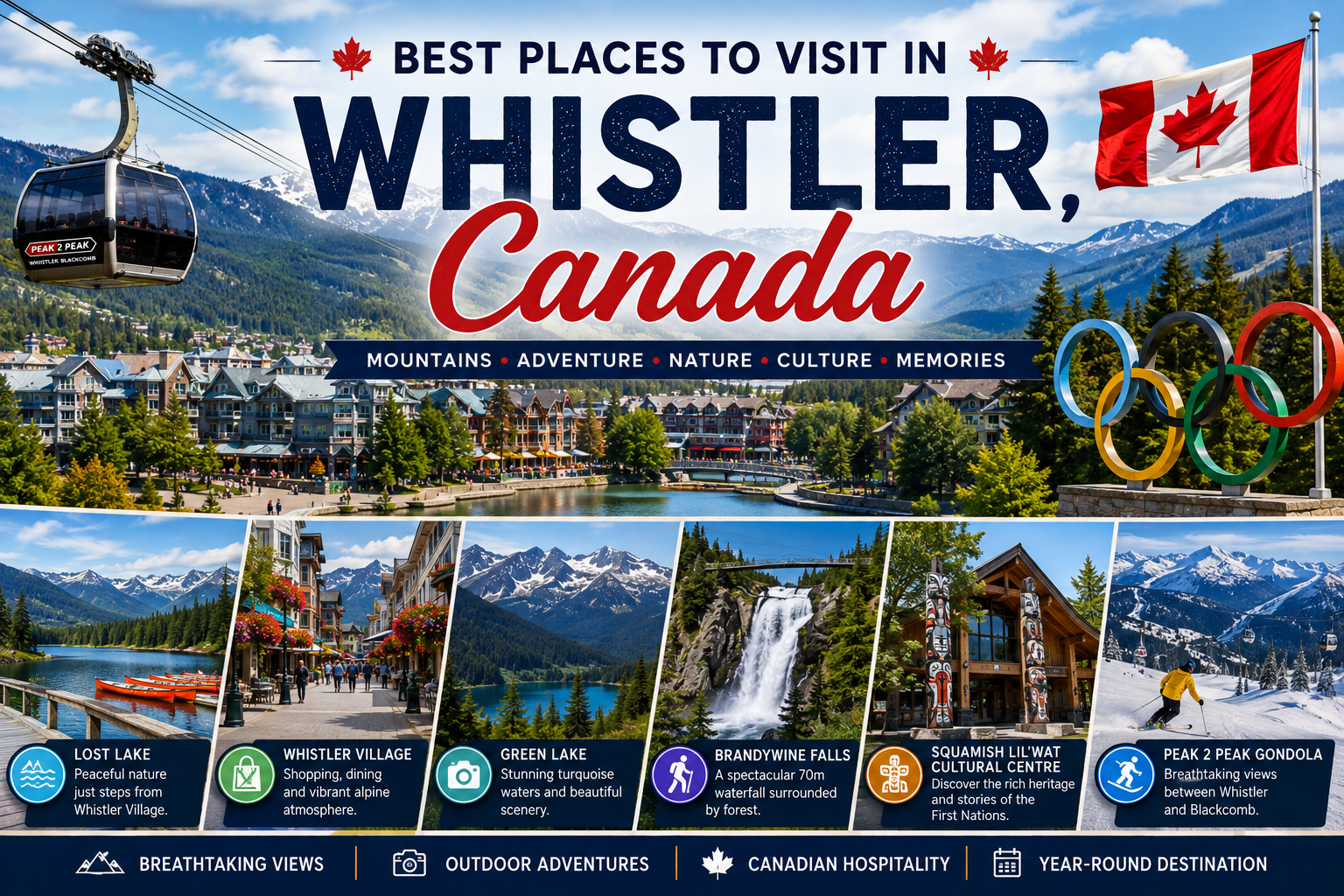
Whistler is one of the most beautiful mountain destinations in British Columbia, Canada. Surrounded by the Coast Mountains, forests, lakes, and impressive outdoor scenery, Whistler attracts travelers throughout the year. The destination is well known for winter sports, but there is much more to experience beyond skiing and snowboarding. Visitors can explore Whistler Village, enjoy peaceful lakes, walk along scenic trails, discover local culture, visit museums and art galleries, and take in spectacular mountain views. Whistler is also known for its connection to the 2010 Winter Olympic and Paralympic Games, which adds an interesting part of history to the destination. Tourism Whistler describes the area as a year-round mountain destination with outdoor activities, cultural experiences, restaurants, shops, and beautiful natural surroundings.
1. Explore the Charming Whistler Village
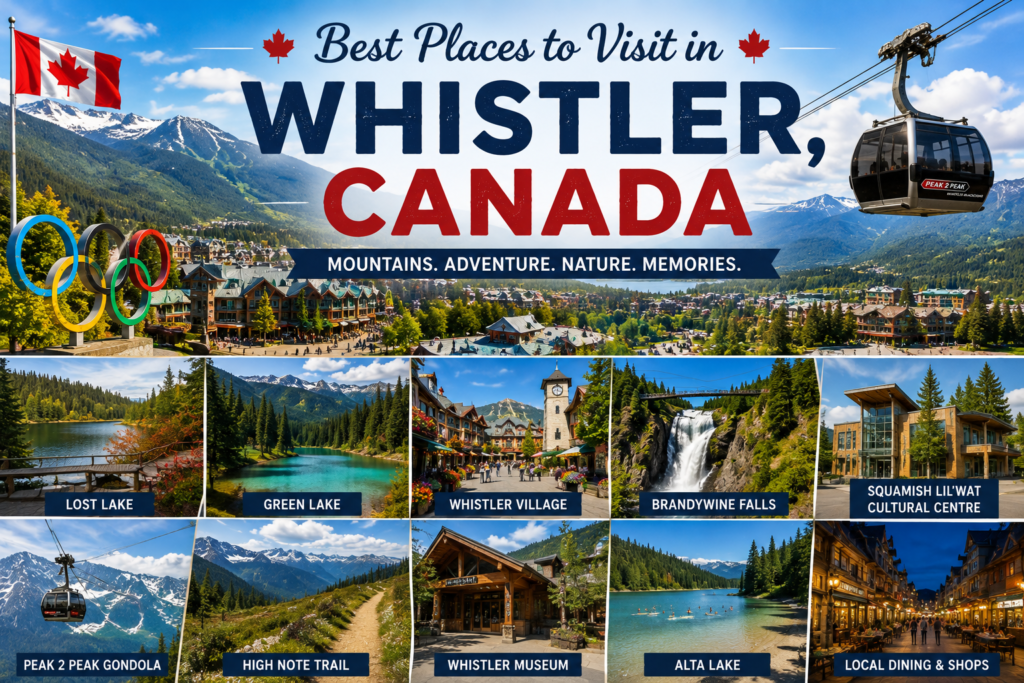
Whistler Village is the perfect place to begin your trip because it brings together restaurants, cafés, shops, accommodation, walking areas, and mountain views in one lively location. The pedestrian-friendly village has a welcoming atmosphere and is enjoyable in both summer and winter. During warmer months, visitors can walk around the village, sit outside at a café, browse local stores, and enjoy the surrounding mountain scenery. In winter, the streets become especially lively as travelers return from mountain activities. You do not need to plan every moment here because simply walking through the village and discovering its small shops, restaurants, public spaces, and views can be a relaxing experience. Whistler Village is also a convenient base for exploring many other attractions in the area.
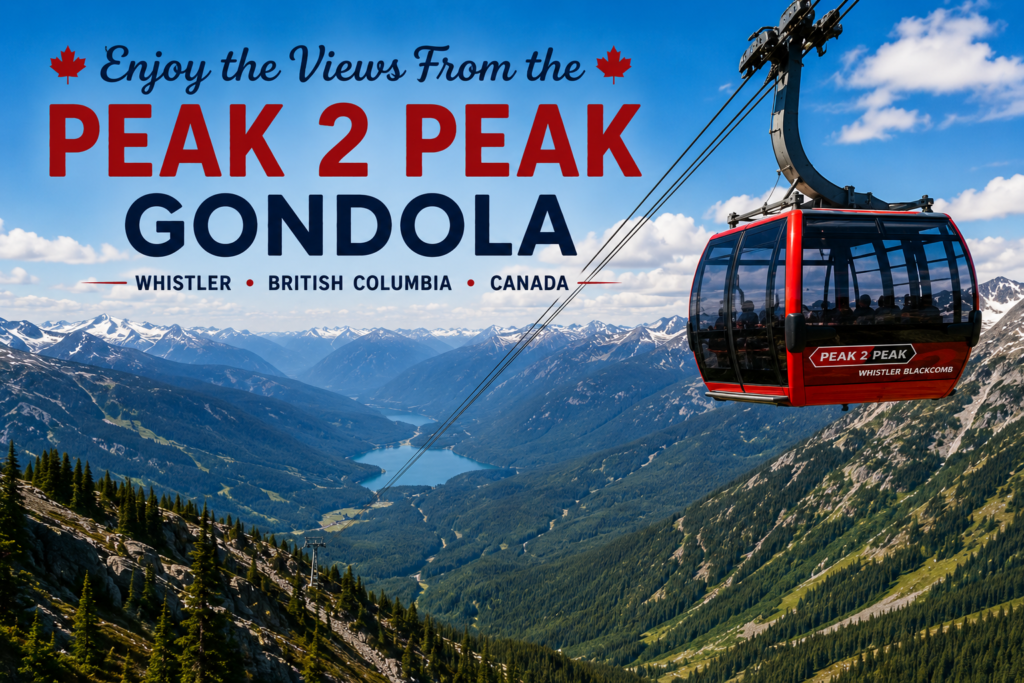
2. Enjoy the Views From the PEAK 2 PEAK Gondola
The PEAK 2 PEAK Gondola is one of Whistler’s most famous mountain experiences and offers an impressive way to see the Coast Mountains from above. The gondola connects Whistler and Blackcomb Mountains and provides access to high alpine scenery and hiking areas during suitable seasons. From the cabins and mountain viewpoints, visitors can enjoy wide views of forests, peaks, valleys, and changing landscapes. Even travelers who are not interested in demanding outdoor activities can appreciate the experience because the ride itself provides an opportunity to see Whistler from a completely different perspective. Before visiting, check the current operating schedule because mountain transportation can vary according to season and weather.
3. Relax Beside Beautiful Lost Lake
Lost Lake is a peaceful natural area close to Whistler Village and is an excellent choice when you want to spend some quiet time outdoors. The lake is surrounded by forest and mountain scenery, creating a relaxing environment for walking, photography, and enjoying nature. During warmer months, visitors can explore nearby trails and spend time around the water, while the surrounding landscape changes beautifully with the seasons. Lost Lake is a good place to slow down after a busy day of sightseeing. Instead of rushing through the area, take a relaxed walk, enjoy the scenery, and look for peaceful viewpoints around the lake. It is one of the places that shows why Whistler is much more than a winter destination.
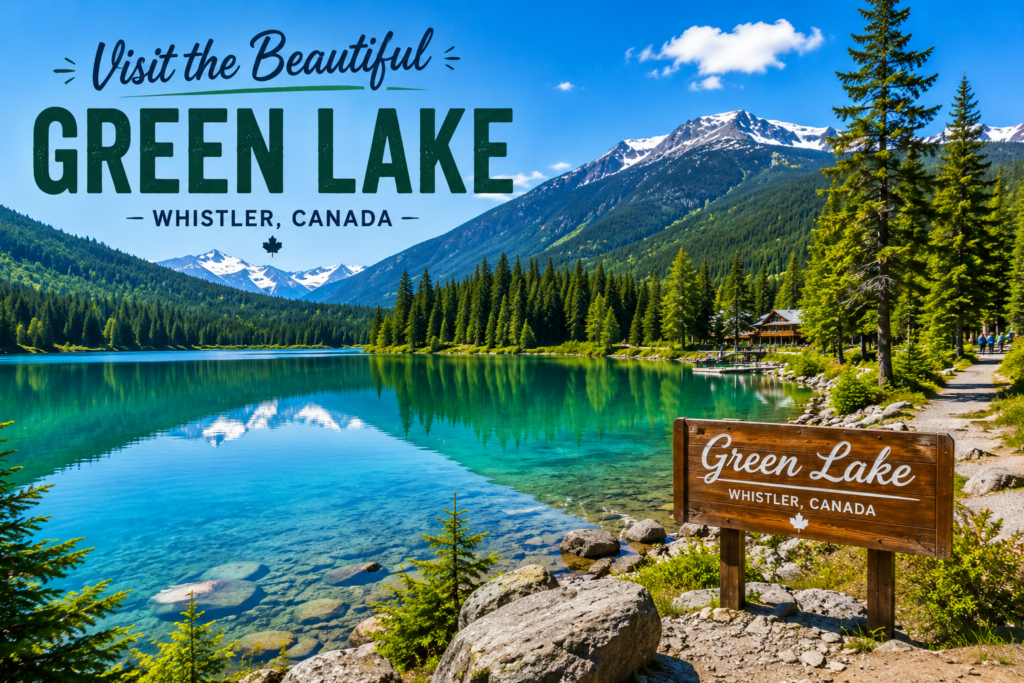
4. Visit the Beautiful Green Lake
Green Lake is another scenic location worth adding to your Whistler itinerary. The lake is surrounded by forests and mountain scenery and is known for its striking blue-green appearance. It is an excellent place for travelers who enjoy photography, peaceful landscapes, and outdoor sightseeing. The scenery around Green Lake changes throughout the year, offering different experiences depending on the season. Visitors can enjoy views of the water and mountains while exploring the surrounding area. Tourism Whistler also highlights Green Lake among Whistler’s opportunities for water-based activities during suitable conditions.
5. Walk or Cycle the Valley Trail
The Valley Trail is a great way to experience Whistler’s natural scenery without spending the entire day in a vehicle. The network connects different parts of the valley and passes through forests, lakes, and other beautiful landscapes. You can walk, cycle, or simply explore a shorter section depending on your time and energy. Tourism Whistler describes the Valley Trail as a paved pathway and boardwalk system linking many of Whistler’s attractions, with approximately 46 kilometres of pathways through the valley. This makes it useful for travelers who want to explore the destination at a slower pace while enjoying the surrounding nature.
6. Discover the Squamish Lil’wat Cultural Centre
The Squamish Lil’wat Cultural Centre is an important place to learn about the cultures and histories of the Squamish and Lil’wat Nations. Instead of simply sightseeing, a visit here gives travelers an opportunity to better understand the Indigenous heritage connected to the region. Exhibits and cultural experiences help visitors learn about traditions, art, stories, and community history. It is a valuable addition to a Whistler itinerary because it provides cultural context alongside the area’s famous mountain scenery. Tourism Whistler identifies the centre as one of the key cultural institutions in the destination.
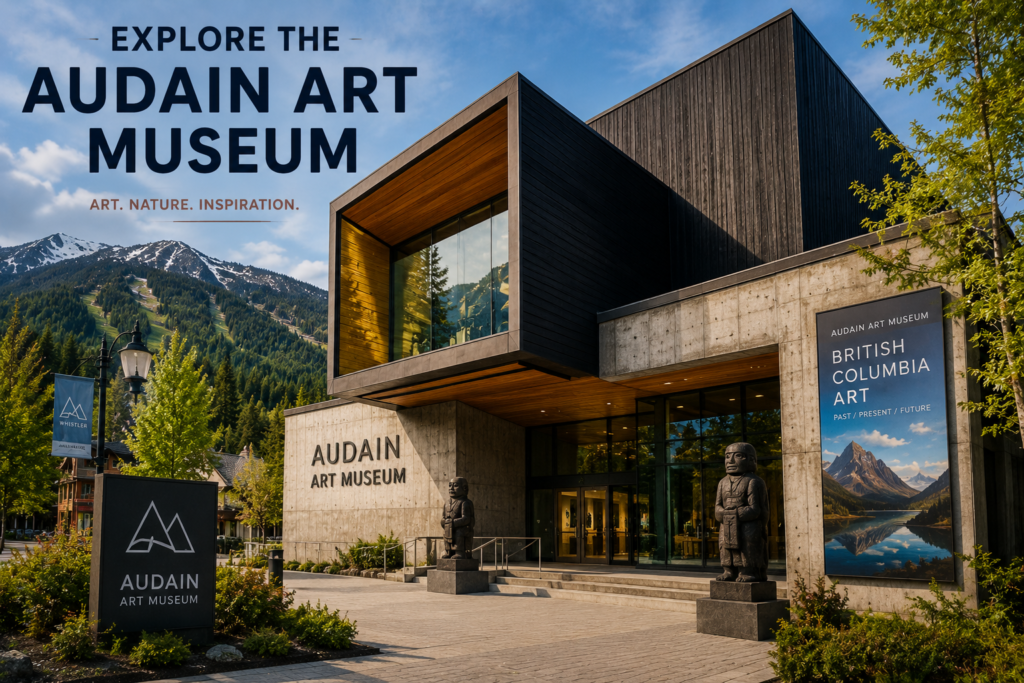
7. Explore the Audain Art Museum
Art lovers should make time for the Audain Art Museum, which offers a different experience from Whistler’s outdoor attractions. The museum features a collection focused on British Columbia art along with temporary exhibitions. It is a good place to spend time indoors while discovering the artistic side of the region. After hiking, sightseeing, or exploring the village, visiting a museum can also give your trip a more balanced pace. The Audain Art Museum is part of Whistler’s wider cultural scene, which includes galleries and other creative spaces around the village.
8. Learn About Local History at the Whistler Museum
The Whistler Museum is a useful stop for travelers who want to understand how Whistler developed into the destination it is today. The museum explores local history, mountain culture, natural history, and memorable moments from the area’s past. Learning about the people, events, and changes that shaped Whistler can make the rest of your visit more meaningful. After visiting the museum, you may notice the connection between Whistler’s modern tourism industry, mountain environment, and Olympic history in a different way.
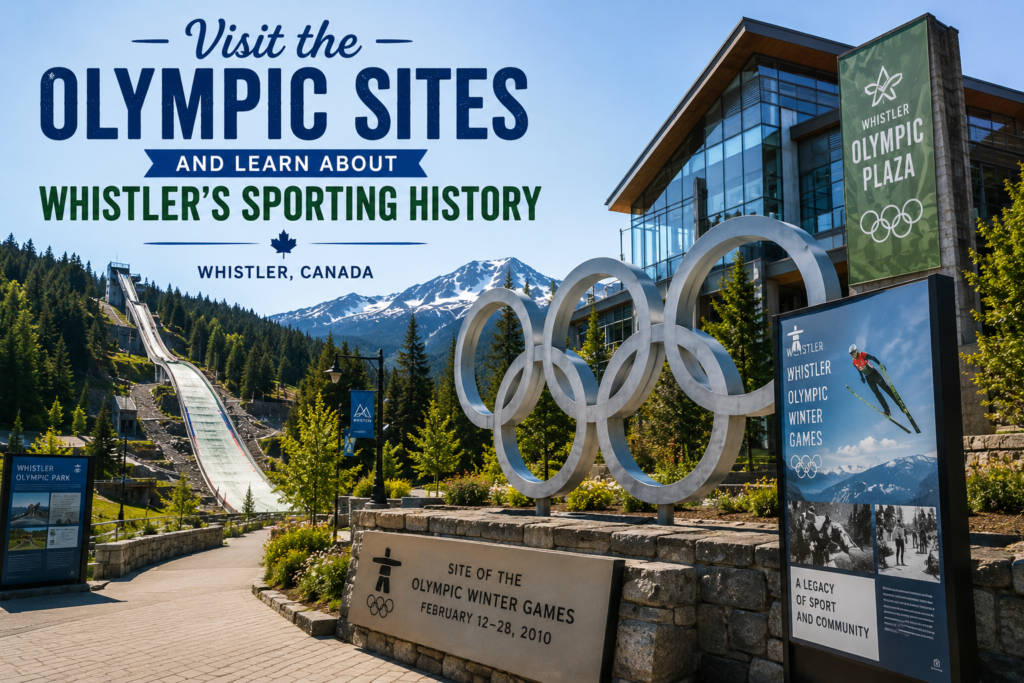
9. Visit the Olympic Sites and Learn About Whistler’s Sporting History
Whistler played an important role during the 2010 Winter Olympic and Paralympic Games, and reminders of that history can be found around the destination. Exploring Olympic-related locations can add another interesting element to your trip, especially if you enjoy sports and Canadian history. Tourism Whistler includes visiting the venues of the 2010 Winter Games among its recommended experiences. You can combine these locations with other attractions instead of treating them as a separate full-day activity. The Olympic history also helps explain how Whistler became internationally recognized as a major mountain destination.
10. Enjoy the Scenery Around Alta Lake
Alta Lake is another beautiful place to experience Whistler’s natural side. Surrounded by mountains and forest, the lake offers a peaceful setting for visitors who want to relax away from busy areas. During the warmer months, the lake can be enjoyed through various outdoor activities, depending on local conditions and regulations. Even if you simply walk around the shoreline and take photographs, the combination of water, trees, and mountains creates a memorable Whistler experience. Tourism Whistler lists Alta Lake among the destination’s popular places for water activities such as paddling and kayaking.
11. Discover Whistler’s Art Galleries and Local Creativity
Whistler has a surprisingly strong arts and culture scene, making it worth exploring beyond the major attractions. Around the village and nearby areas, visitors can find galleries featuring local and international artists, photography, sculptures, paintings, and other creative work. Exploring galleries can be a relaxing way to spend part of an afternoon, especially when you want a break from outdoor activities. You may also find locally made artwork and souvenirs that offer a more meaningful reminder of your trip than ordinary tourist products. Tourism Whistler highlights fine art galleries as part of the destination’s cultural experiences.
12. Enjoy the Restaurants and Cafés of Whistler
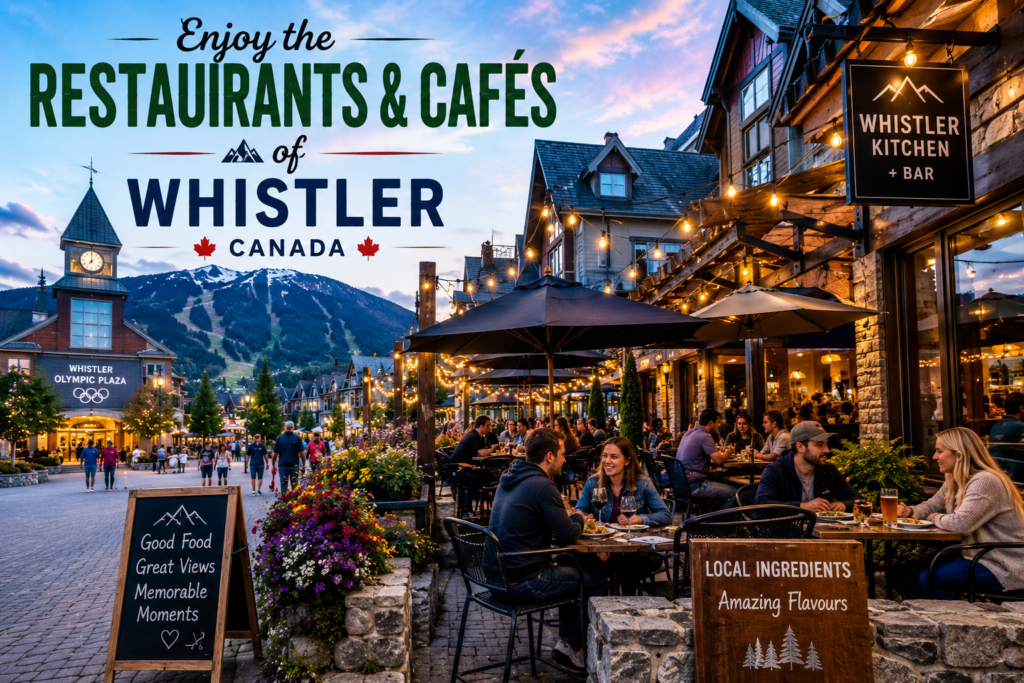
Food is an important part of the Whistler experience, and the village offers a wide range of restaurants and cafés. You can find casual meals, international dishes, local flavors, desserts, coffee shops, and more formal dining experiences. After spending time outdoors, sitting down for a warm meal or relaxing with a drink can be one of the simplest pleasures of your trip. Whistler’s dining scene is designed for different budgets and travel styles, so you can choose something casual or make an evening meal part of your itinerary. Exploring local dining also gives you a chance to experience the destination beyond its mountains and outdoor attractions.
13. Take a Peaceful Walk Through Whistler’s Forests
Whistler’s forests are one of the main reasons the destination feels so connected to nature. Walking through forested areas allows you to experience towering trees, fresh mountain air, streams, and changing seasonal scenery. There are trails for different levels of experience, but it is important to choose a route that matches your abilities and current weather conditions. You do not always need to complete a long hike to enjoy Whistler’s natural beauty. A short and comfortable walk can be enough to experience the peaceful atmosphere of the Coast Mountains. Tourism Whistler highlights hiking across both alpine terrain and the valley as a major part of the destination’s outdoor appeal.
14. Experience Whistler’s Lakes and Outdoor Spaces in Summer
Summer reveals a different side of Whistler, with lakes, forests, hiking trails, cycling routes, and outdoor spaces becoming major attractions. Visitors can spend their days walking, cycling, enjoying lake scenery, or trying suitable water activities. Tourism Whistler notes that Whistler’s lakes and beaches are popular for relaxing and activities such as canoeing, paddleboarding, and kayaking. The combination of warm-weather activities and mountain scenery makes summer an excellent time to explore the destination at a slower pace.
15. Enjoy Whistler in Winter
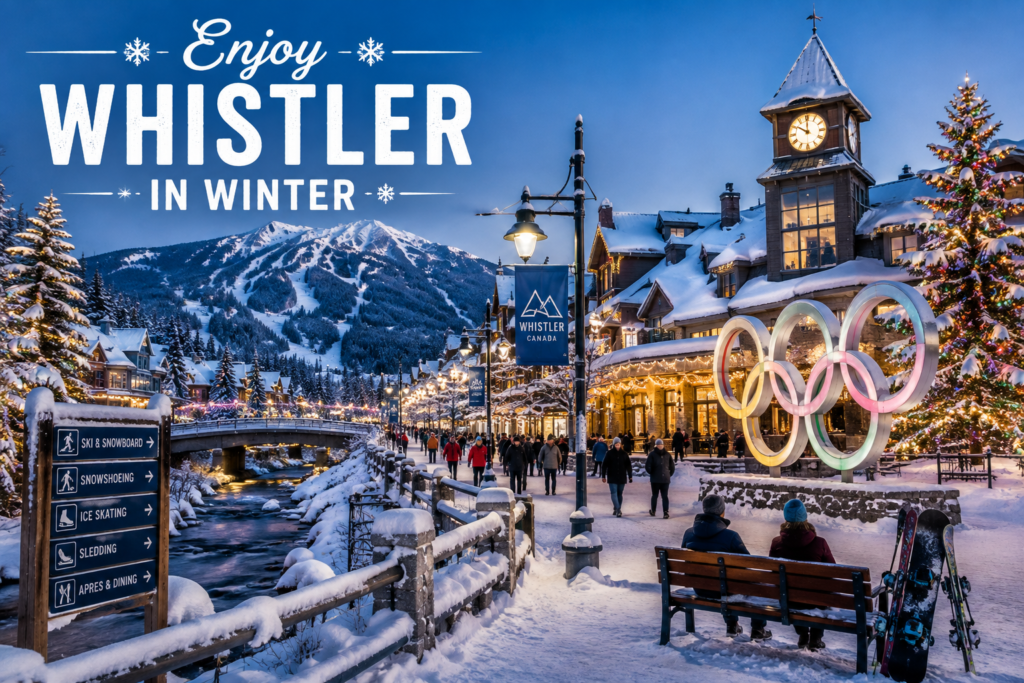
Winter is one of the most popular times to visit Whistler because the mountains become a major destination for snow activities. Skiing and snowboarding are among the best-known reasons travelers come to the area, while the village provides restaurants, shops, accommodation, and a lively winter atmosphere. Even if you do not participate in mountain sports, you can still enjoy the snowy scenery, explore the village, visit cultural attractions, and experience the atmosphere of a Canadian mountain resort. Always check current mountain conditions, weather, and operating information before planning outdoor activities.
Best Time to Visit Whistler
The best time to visit Whistler depends on what you want to do. Winter is ideal for travelers interested in snow and mountain sports, while summer is excellent for hiking, cycling, lakes, sightseeing, and other outdoor experiences. Spring and autumn can offer a quieter atmosphere and changing scenery, although some seasonal activities may have limited availability. Whistler is a year-round destination, so there is no single best month for everyone.
How Many Days Do You Need in Whistler?
A three-day trip to Whistler is a good starting point for first-time visitors. You can spend the first day exploring Whistler Village, visiting a cultural attraction, and enjoying local food. On the second day, focus on mountain scenery, lakes, trails, or the PEAK 2 PEAK experience depending on the season. Use the third day for another outdoor area, museum, art gallery, or a slower exploration of the village. If you have four or five days, you can enjoy Whistler without rushing and leave more time for nature, cultural experiences, and seasonal activities.
Simple Travel Tips for Whistler
Wear comfortable footwear because you will probably spend a lot of time walking. Check weather and seasonal operating conditions before visiting mountain attractions because schedules can change. If you plan to explore trails, choose routes suitable for your experience and stay on marked paths. During busy periods, booking accommodation and important activities early can make your trip easier. It is also worth leaving some free time in your itinerary because Whistler’s scenery is best enjoyed when you are not constantly rushing from one attraction to another.