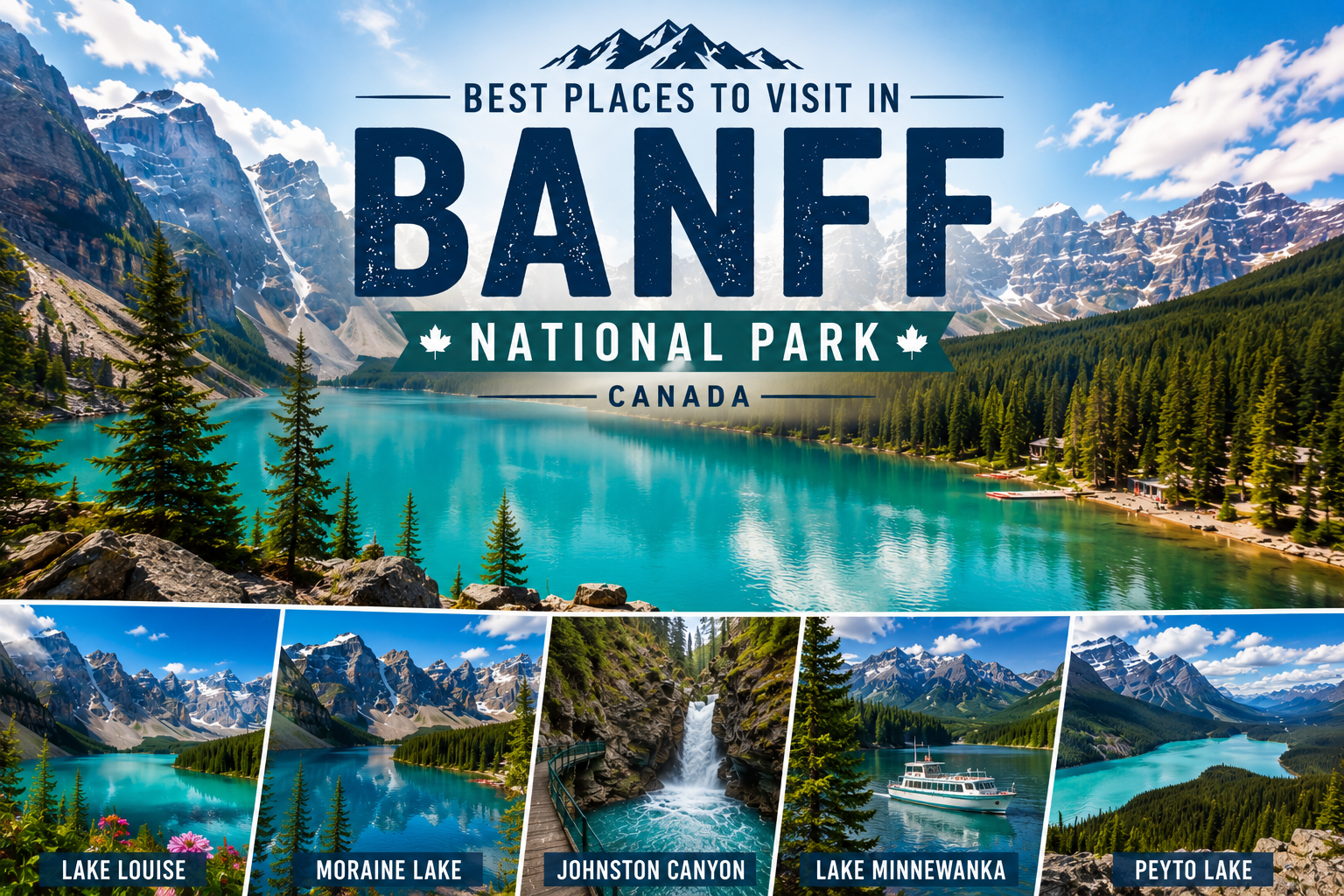
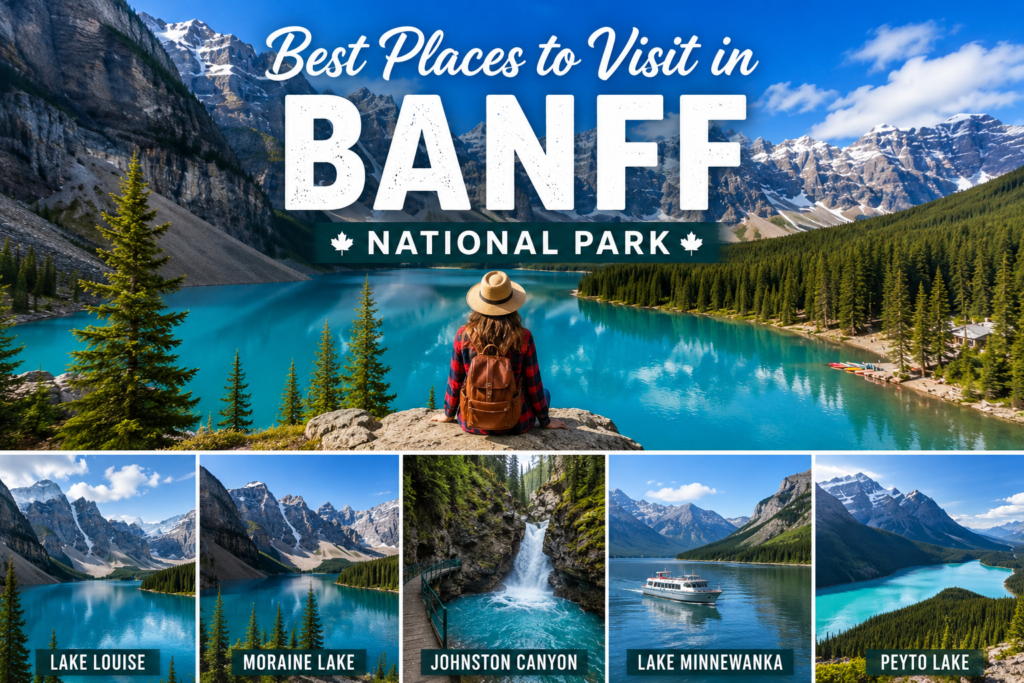
Banff National Park is one of the most beautiful places to visit in Canada. Located in Alberta and surrounded by the Canadian Rockies, the park is famous for its turquoise lakes, towering mountains, peaceful forests, waterfalls, glaciers, and scenic roads. It is Canada’s oldest national park and attracts travelers who want to enjoy nature, outdoor activities, photography, and unforgettable mountain views.
There are many beautiful places to visit in Banff National Park, and each one offers a different experience. Some locations are perfect for relaxing beside a lake, while others are ideal for hiking, sightseeing, photography, or enjoying a scenic drive. Whether you are visiting in summer, fall, winter, or spring, Banff offers amazing landscapes throughout the year.
Lake Louise
Lake Louise is one of the most famous places to visit in Banff National Park. The lake is known for its beautiful turquoise water, which is surrounded by tall mountains, evergreen forests, and impressive glaciers. The scenery around the lake creates one of the most memorable views in the Canadian Rockies.
Visitors can enjoy a peaceful walk along the lakeshore and take photographs of the surrounding mountains. During warmer months, canoeing and hiking are popular activities, while winter brings snow-covered scenery and seasonal outdoor activities. Lake Louise can become very busy, especially during peak travel periods, so planning your visit in advance is helpful.
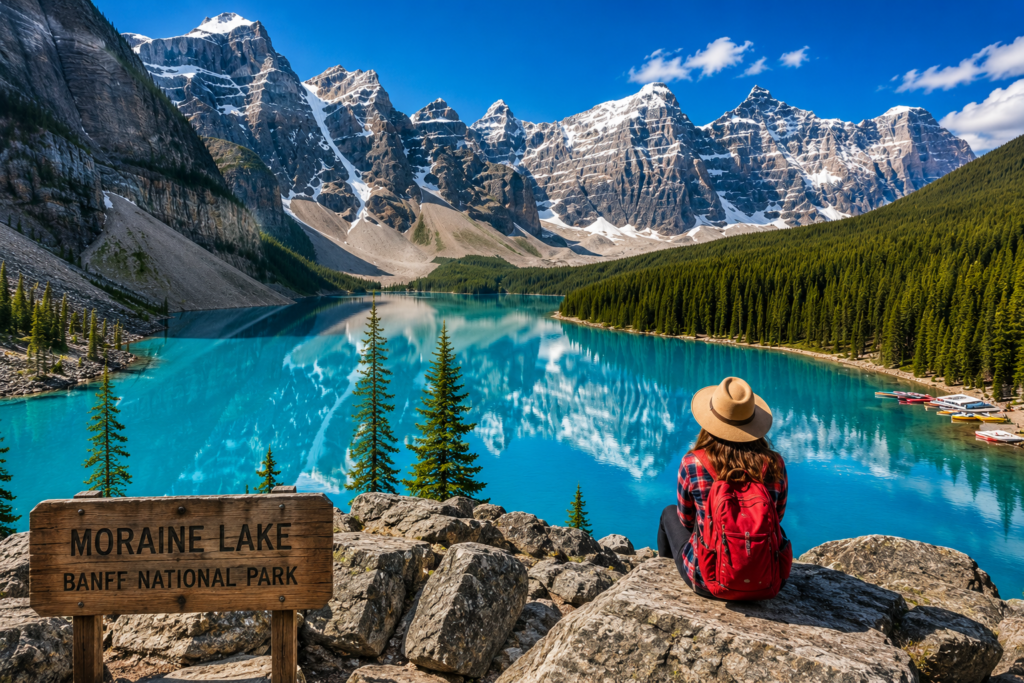
Moraine Lake
Moraine Lake is another spectacular destination in Banff National Park. Located in the Valley of the Ten Peaks, the lake is surrounded by dramatic mountain scenery and dense forests. Its blue-green water and impressive peaks make it one of the most recognizable landscapes in the Canadian Rockies.
The Rockpile Trail provides a popular viewpoint over the lake and surrounding mountains. Visitors can also explore nearby hiking routes when conditions allow. Access to Moraine Lake can be seasonal and transportation arrangements may change, so travelers should check current park information before planning their visit.
Banff Town
Although Banff is a town rather than a natural attraction, it is an important base for exploring Banff National Park. Banff offers a combination of mountain scenery, restaurants, cafés, shops, hotels, and visitor services. The surrounding peaks are visible from many parts of town, giving the area a unique mountain atmosphere.
Walking along Banff Avenue is an easy way to explore the town. You can enjoy local restaurants, browse shops, visit galleries, or simply relax while looking at the surrounding mountains. Banff town is also a convenient starting point for many attractions in the national park.
Banff Gondola
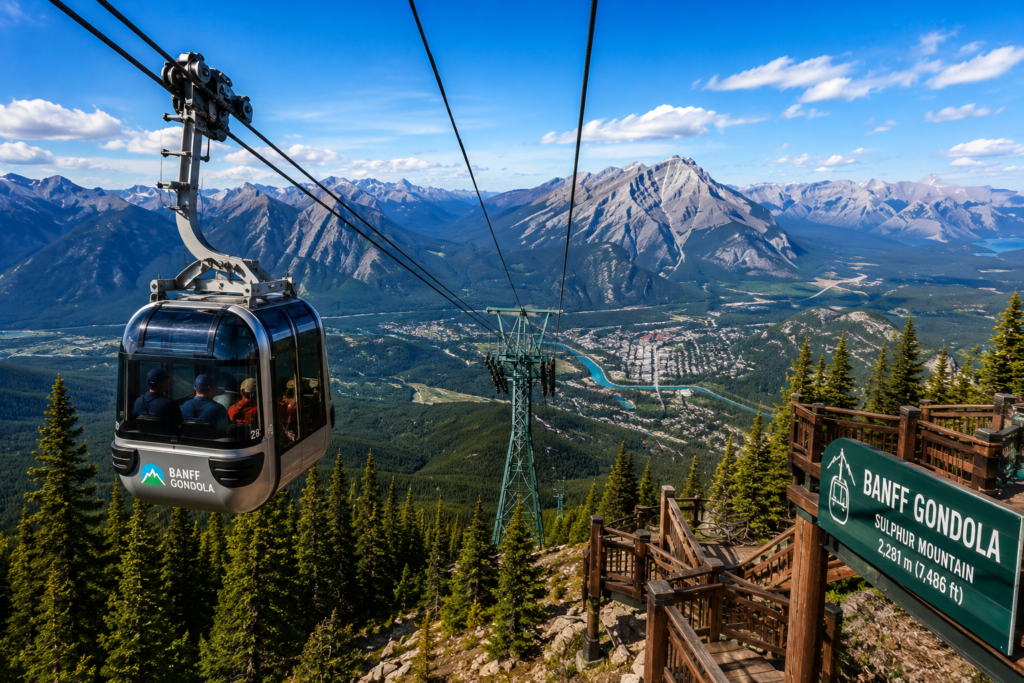
The Banff Gondola offers visitors an opportunity to enjoy panoramic views of the Canadian Rockies from Sulphur Mountain. The ride takes you above the town and surrounding landscape, providing impressive views of mountains, valleys, and the Bow River.
At the summit, visitors can explore viewing areas and a boardwalk while enjoying the mountain scenery. The gondola is a good option for travelers who want spectacular views without completing a long mountain hike. Clear weather can provide especially impressive views across the surrounding landscape.
Johnston Canyon
Johnston Canyon is a popular natural attraction in Banff National Park. A trail follows Johnston Creek through a narrow canyon, allowing visitors to see waterfalls, rock formations, forests, and flowing turquoise water.
The walking route includes a series of paths and bridges that take visitors deeper into the canyon. The lower and upper waterfalls provide beautiful viewpoints, while the forest surrounding the trail creates a peaceful atmosphere. Conditions can vary by season, so visitors should check trail information and wear suitable footwear.
Bow Falls
Bow Falls is located close to the town of Banff and is one of the easiest waterfalls to include in a Banff itinerary. The falls are created where the Bow River moves over a rocky section, producing a wide and powerful flow of water.
A short walk near the falls provides scenic views of the river and surrounding mountains. Because Bow Falls is close to Banff town, it can be visited without spending an entire day on the road. It is a good stop for travelers who want to enjoy a natural attraction while keeping their itinerary relaxed.
Vermilion Lakes
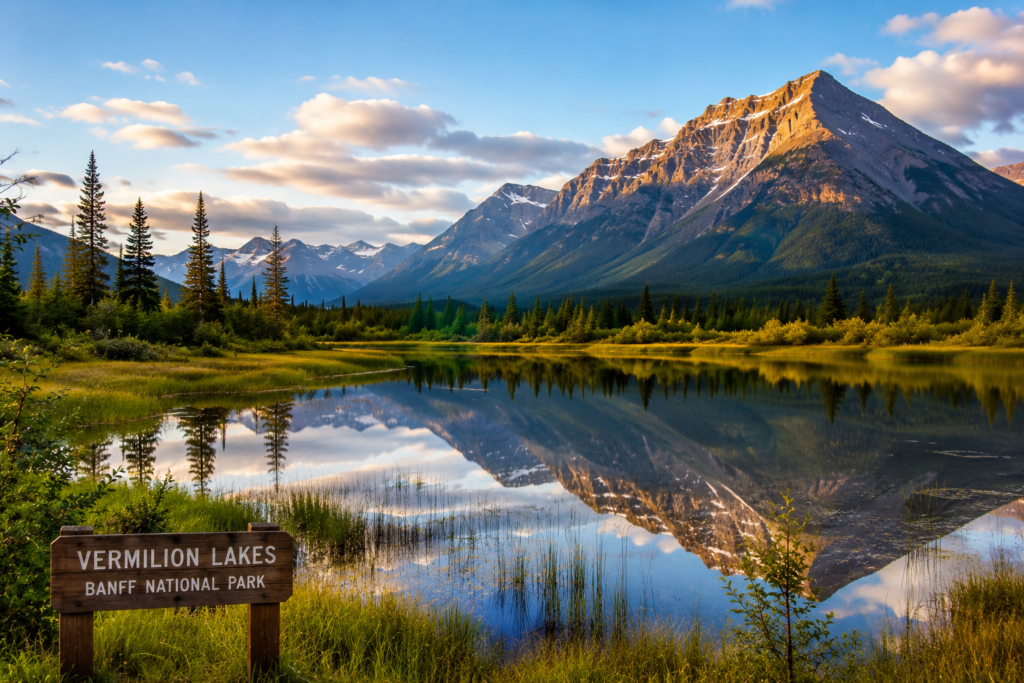
Vermilion Lakes are a group of shallow lakes located near Banff town. They are known for peaceful water, mountain reflections, and beautiful views of the surrounding landscape. The area is particularly popular with photographers because the lakes can create clear reflections when the water is calm.
The lakes are a good place to enjoy a quiet morning or evening. You can stop at viewpoints, take photographs, or simply enjoy the scenery. Sunrise and sunset can provide beautiful lighting over the mountains, making Vermilion Lakes a memorable place to visit in Banff National Park.
Lake Minnewanka
Lake Minnewanka is the largest lake in Banff National Park and offers a beautiful combination of water and mountain scenery. The long lake is surrounded by rugged peaks and forests, creating an impressive landscape.
Visitors can enjoy the lakeshore, take photographs, and explore the surrounding area. Boat cruises are also available during suitable seasons. Lake Minnewanka is a great destination for travelers who want to spend time beside the water while enjoying views of the Canadian Rockies.
Two Jack Lake
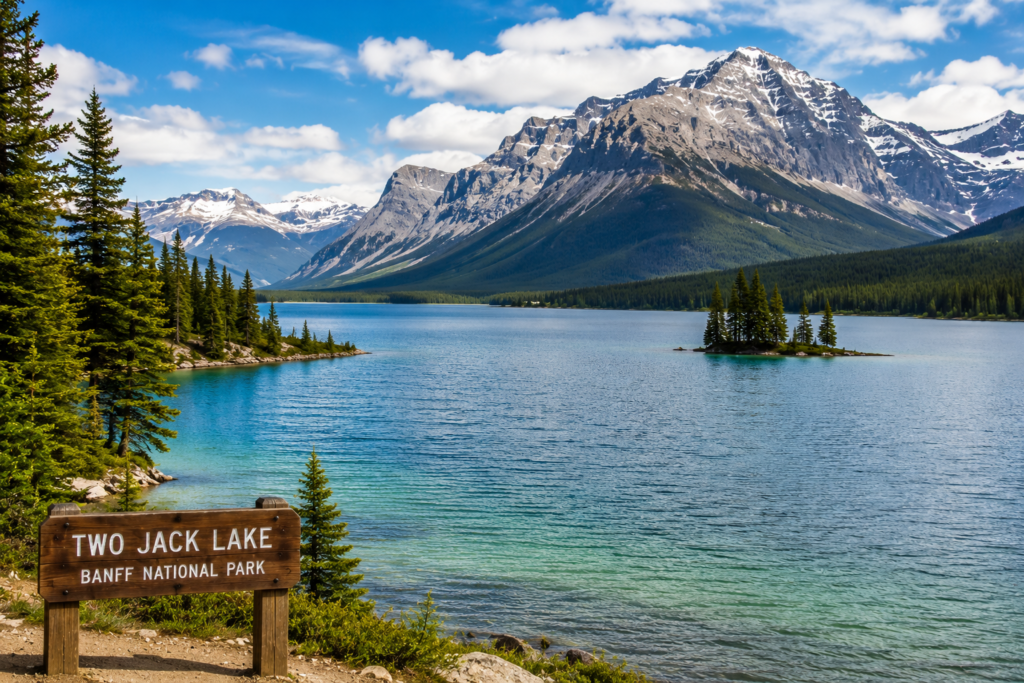
Two Jack Lake is located near Lake Minnewanka and is another beautiful spot for enjoying the natural scenery of Banff National Park. The lake is surrounded by forests and mountains, and its calm water can create beautiful reflections.
The area is suitable for a relaxed visit, photography, and enjoying the peaceful surroundings. Because it is close to other attractions near Lake Minnewanka, travelers can easily include both locations in the same sightseeing day.
Peyto Lake
Peyto Lake is one of the most recognizable lakes along the Icefields Parkway. From the viewpoint, visitors can see the lake’s distinctive shape surrounded by mountains and forest. The bright blue color of the water is especially noticeable during the warmer months.
A short walk leads to the main viewpoint, making Peyto Lake an excellent stop during a scenic drive. The surrounding mountain landscape provides excellent opportunities for photography. As with other mountain destinations, weather and trail conditions can affect the experience.
Icefields Parkway
The Icefields Parkway is one of the most scenic roads in the Canadian Rockies. It connects the Banff and Jasper areas and passes through a landscape filled with mountains, lakes, glaciers, forests, and valleys.
The journey is not simply about reaching a destination. The road itself provides many opportunities to stop and enjoy viewpoints along the way. Travelers should allow plenty of time for the drive because there are many scenic locations worth exploring. Before traveling, always check current road conditions and weather information.
Bow Lake
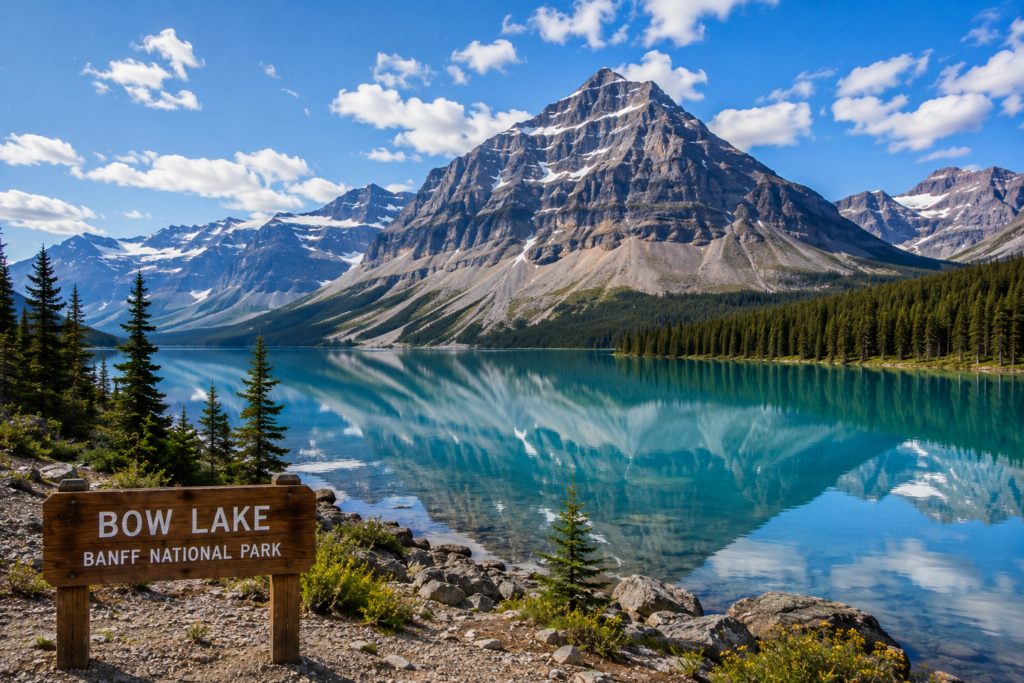
Bow Lake is another beautiful stop along the Icefields Parkway. The lake sits beneath dramatic mountain peaks and glaciers, creating a peaceful and impressive landscape. Its location makes it an easy addition to a scenic road trip through Banff National Park.
Visitors can stop near the lakeshore to enjoy the scenery and take photographs. The surrounding area also provides access to hiking opportunities when conditions are suitable. Bow Lake is especially beautiful when the mountains are reflected in the calm water.
Lake Agnes
Lake Agnes is a beautiful mountain lake that can be reached by hiking from the Lake Louise area. The trail passes through forested landscapes and gradually climbs toward the lake, where hikers are rewarded with peaceful mountain scenery.
The historic Lake Agnes Tea House near the lake is another attraction for hikers during its operating season. Because the trail involves elevation gain, visitors should prepare according to their fitness level, weather conditions, and trail information. Proper footwear and enough water are important for a comfortable hike.
Plain of Six Glaciers
The Plain of Six Glaciers is a scenic hiking destination near Lake Louise. The trail leads through a mountain landscape with views of glaciers, rocky peaks, and the surrounding valley.
The route offers a closer experience of the high mountain environment and can be rewarding for visitors who enjoy hiking. Conditions can change quickly in the mountains, so it is important to check current trail information before starting. Travelers should also allow enough time to complete the route safely.
Sunshine Village
Sunshine Village is a popular mountain destination within Banff National Park. It is especially well known as a ski and winter recreation area, but the surrounding mountain scenery also attracts visitors during warmer months.
In winter, the area offers opportunities for skiing and snowboarding. During summer, visitors can enjoy mountain landscapes and hiking opportunities when seasonal access is available. Sunshine Village provides a different way to experience the Canadian Rockies beyond the lakes and scenic viewpoints.
Moraine Lake Road Area
The area around Moraine Lake Road offers beautiful mountain scenery and access to one of the most famous landscapes in Banff National Park. The road is surrounded by forests and towering peaks, creating an impressive journey toward the lake.
Because access rules and transportation arrangements can change, travelers should check official information before visiting. Planning ahead is particularly important during busy seasons when private vehicle access may be restricted.
Tunnel Mountain
Tunnel Mountain is located close to Banff town and provides an opportunity for visitors to enjoy a mountain hike without traveling far from the town. The trail climbs through forested terrain and offers views of Banff and the surrounding Bow Valley.
The hike is a good option for travelers who want to add some outdoor activity to their Banff itinerary. As with all mountain trails, visitors should check current conditions and choose a route suitable for their experience level.
Wildlife Viewing in Banff National Park
Banff National Park is home to many wild animals, including elk, deer, bighorn sheep, and other species. Seeing wildlife in its natural environment can be an exciting part of a trip to the Canadian Rockies.
However, wildlife should always be observed responsibly. Visitors should keep a safe distance, never feed animals, and follow park regulations. Animals are wild and unpredictable, so respecting their space helps protect both visitors and wildlife.
Best Time to Visit Banff National Park
The best time to visit Banff National Park depends on the activities you want to enjoy. Summer is popular for hiking, sightseeing, lake visits, and scenic drives because many trails and attractions are accessible. The long daylight hours also provide more time for exploring.
Winter transforms Banff into a snowy mountain destination and is popular for skiing, snowboarding, snowshoeing, and winter scenery. Spring and fall can be quieter, although weather conditions and seasonal access can affect some activities. Checking current conditions before your trip is always a good idea.
How Many Days Do You Need in Banff National Park?
A three- to four-day trip can give first-time visitors a good introduction to Banff National Park. You can explore Banff town, visit Lake Louise, see nearby waterfalls, and enjoy several scenic viewpoints during a short trip.
If you have five to seven days, you can explore at a slower pace and include more destinations along the Icefields Parkway. Extra time also gives you more flexibility if weather changes or popular attractions become busy.
Travel Tips for Banff National Park
Planning ahead can make your visit to Banff National Park much easier. Popular destinations such as Lake Louise and Moraine Lake can become very busy, so check transportation, parking, and access information before traveling.
Mountain weather can change quickly, even during summer. Bring suitable clothing, comfortable footwear, water, and other essentials for your planned activities. Stay on marked trails, follow park regulations, and keep a safe distance from wildlife.
It is also important to protect the natural environment. Avoid leaving litter, respect wildlife, and follow local guidelines designed to preserve the park. Responsible travel helps keep Banff National Park beautiful for future visitors.